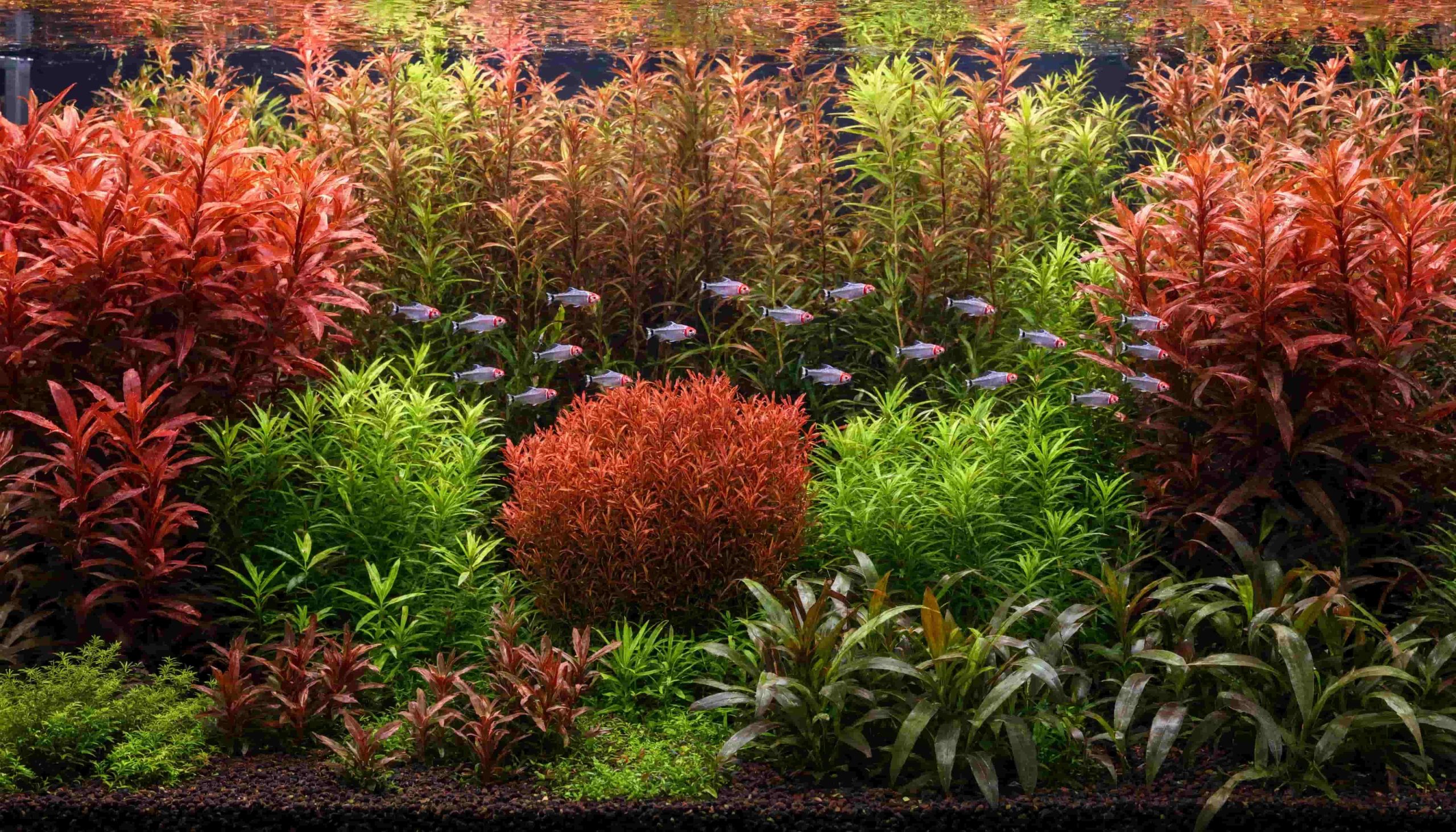
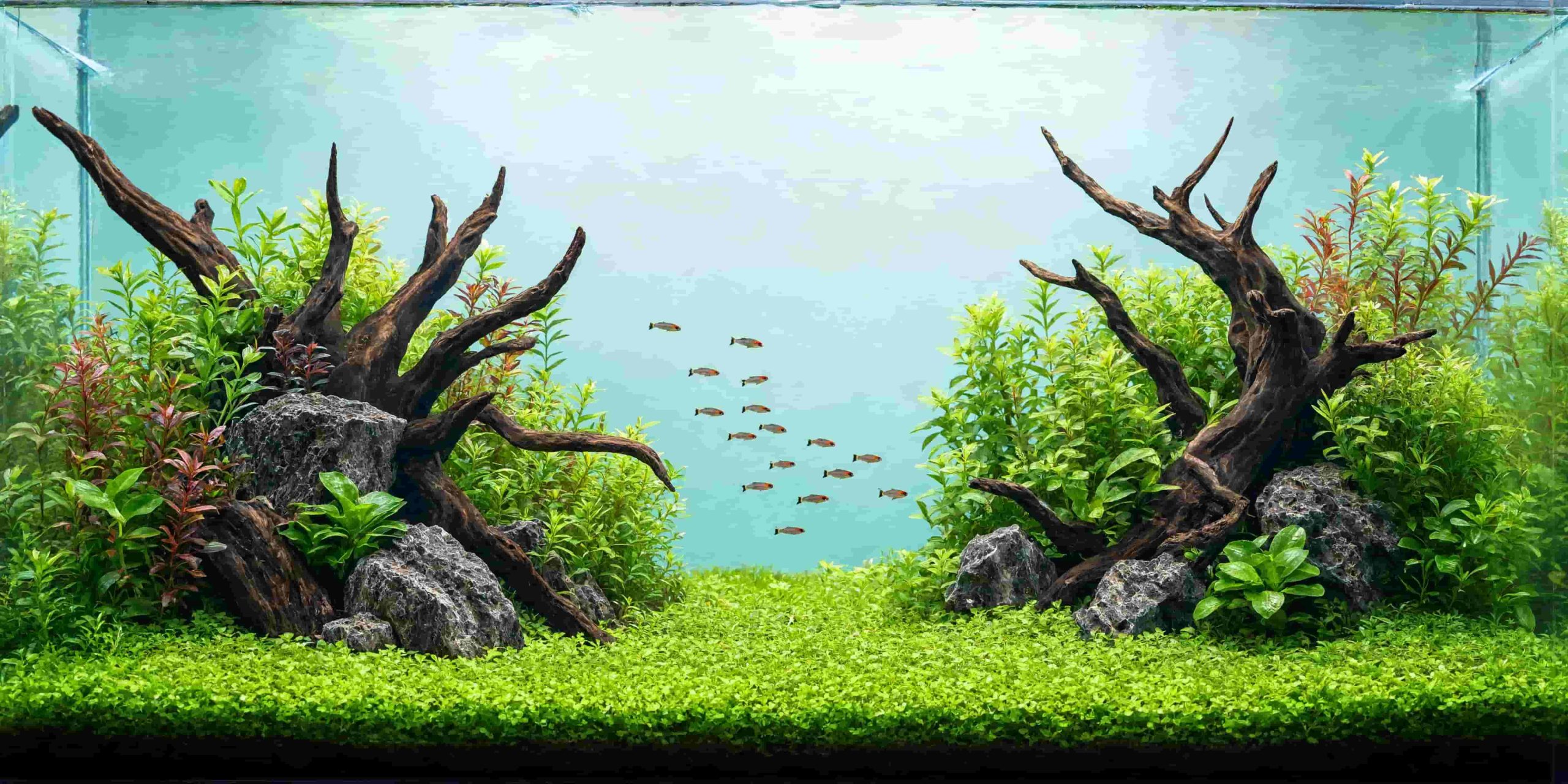
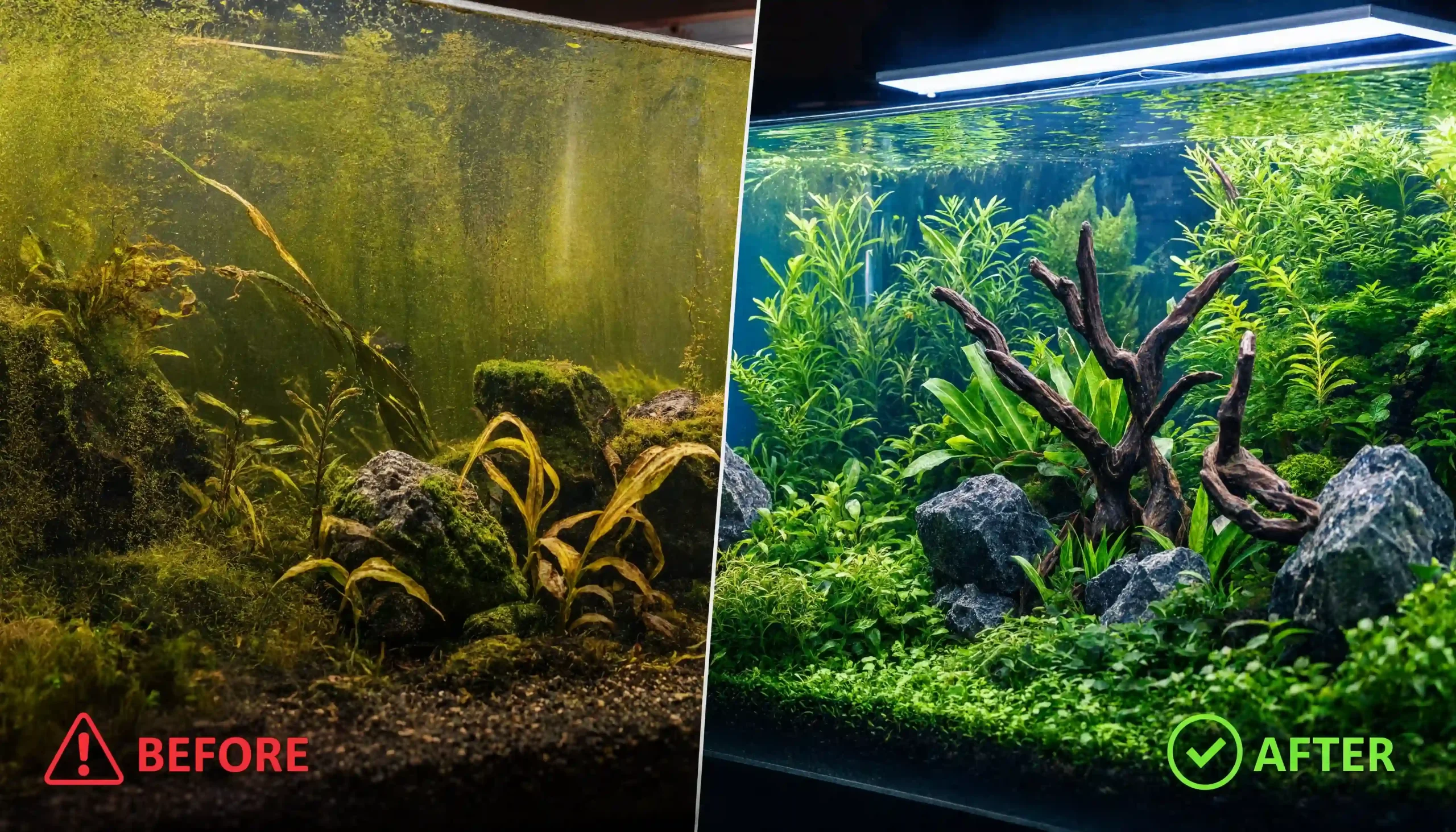
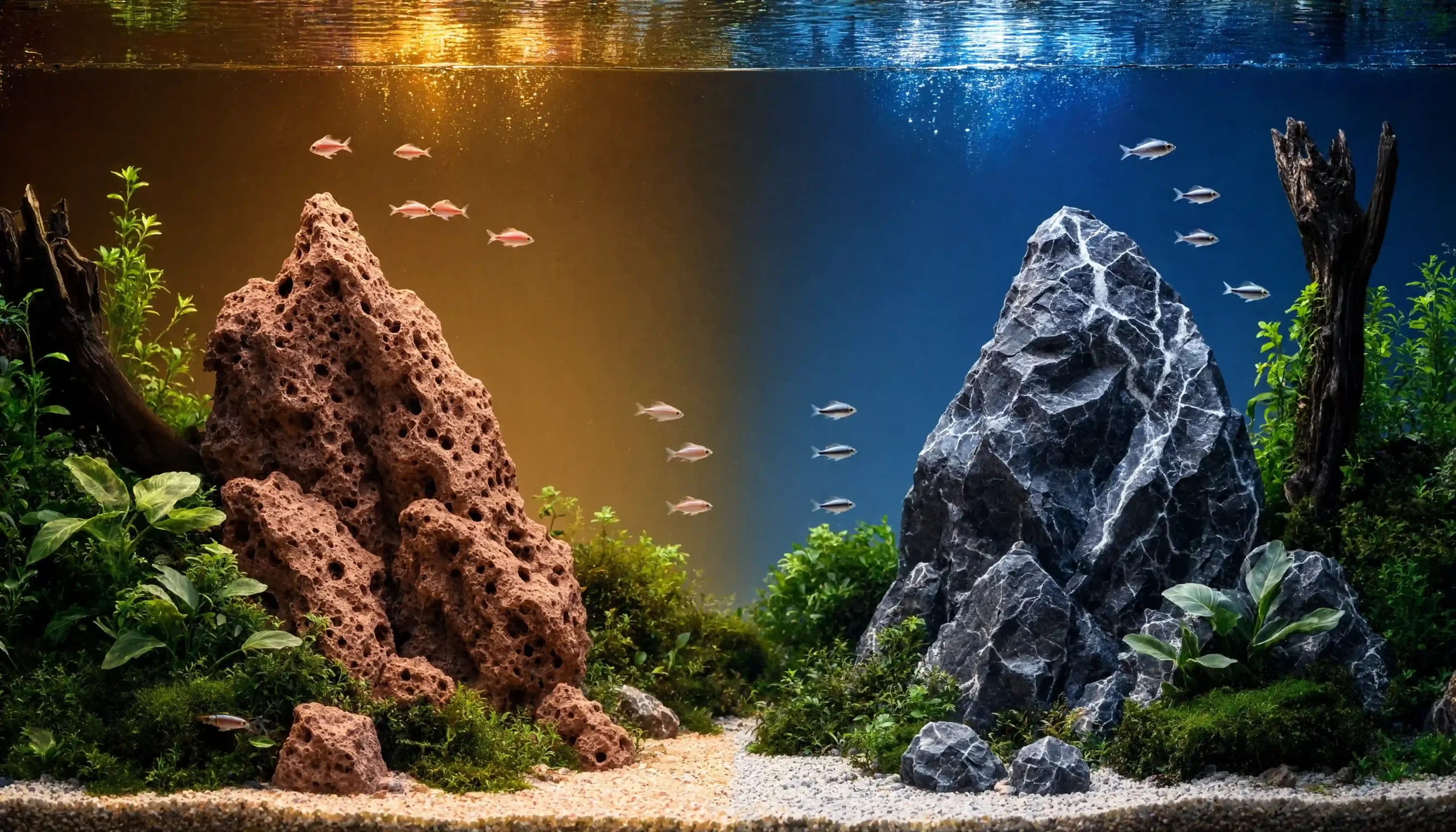
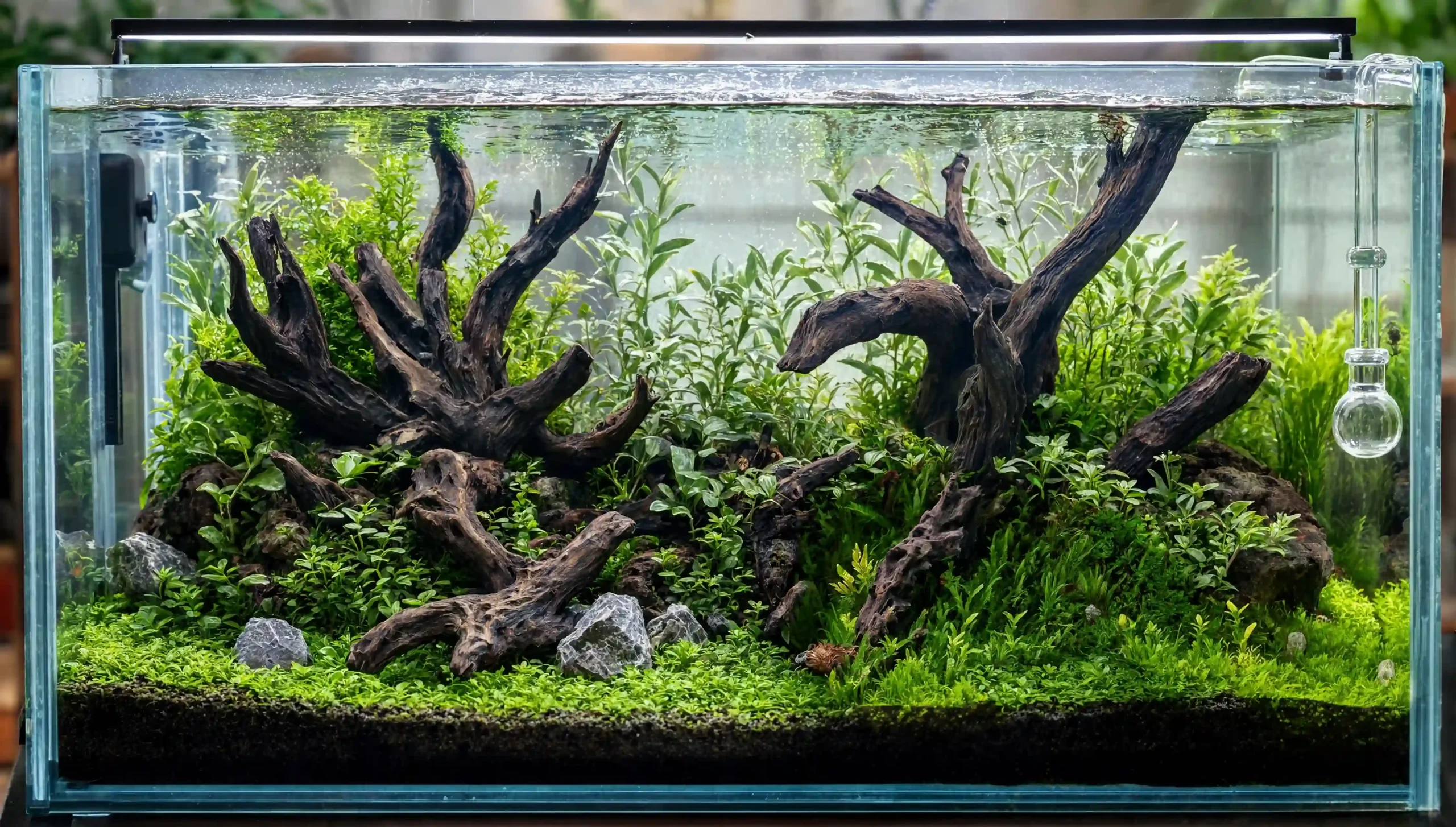
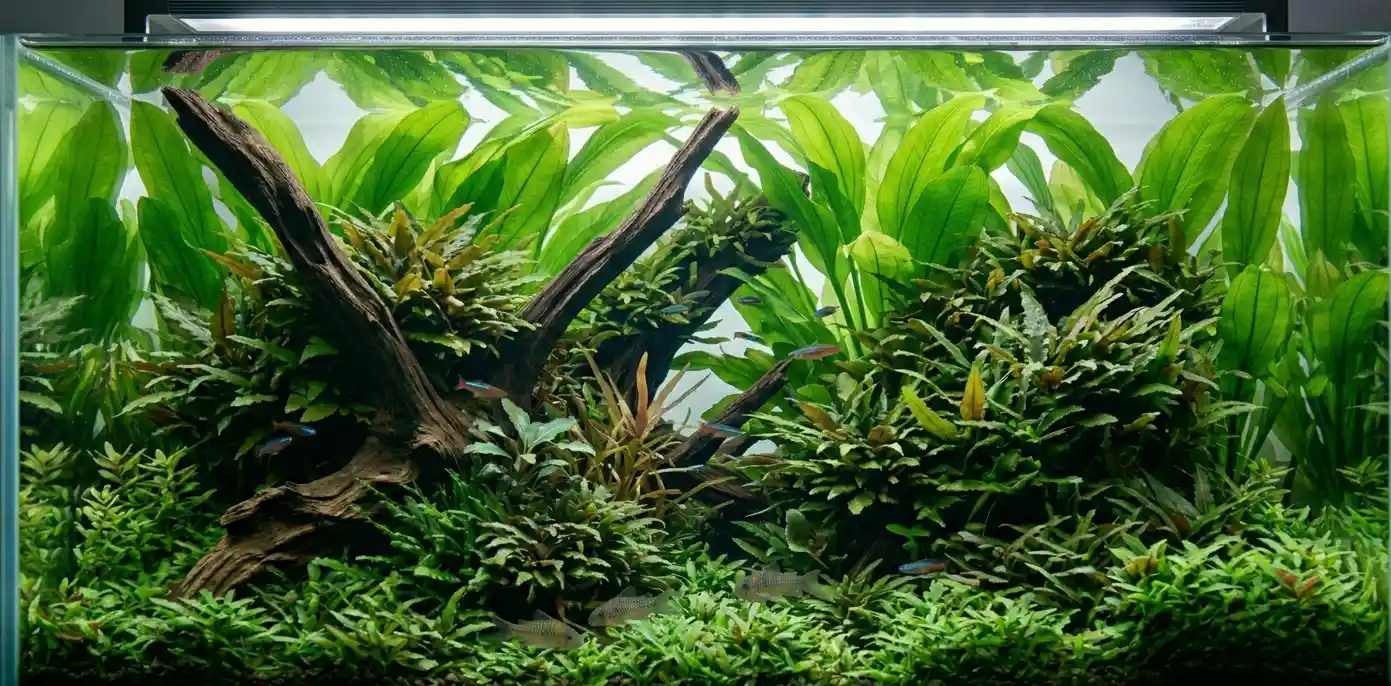
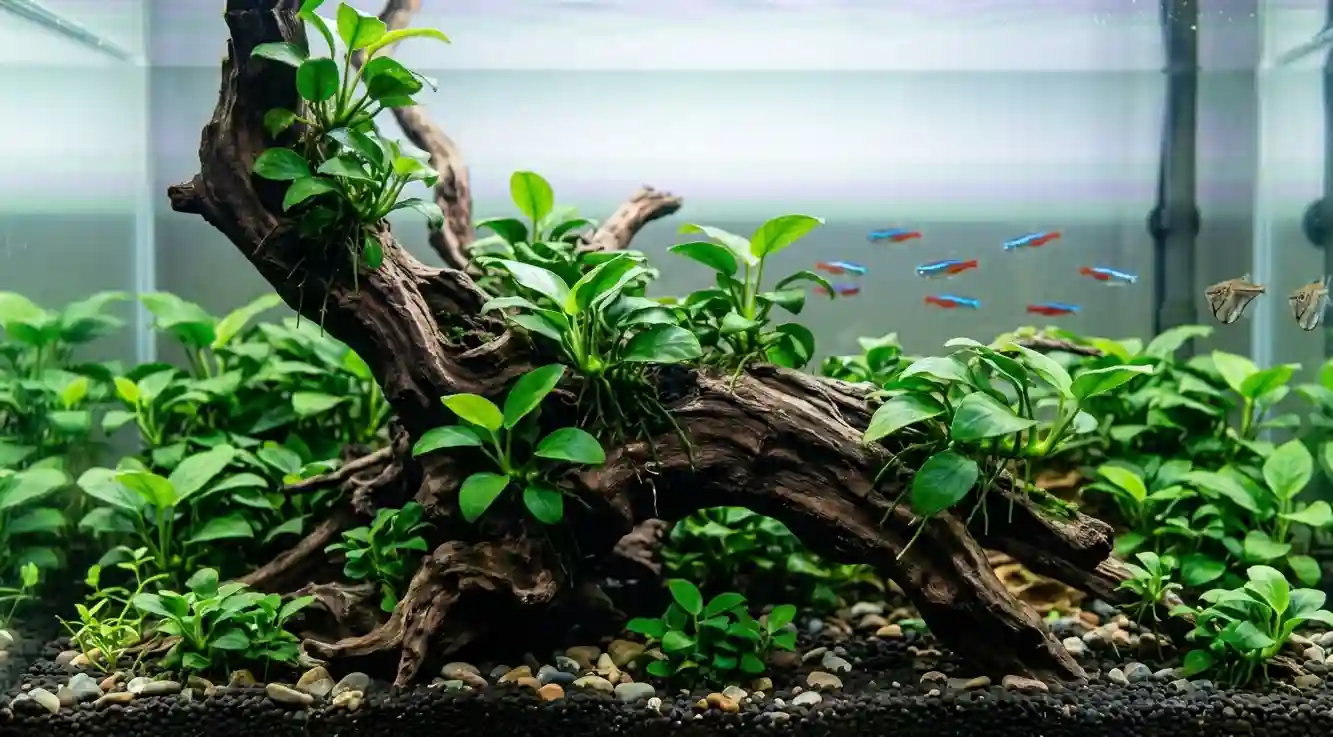
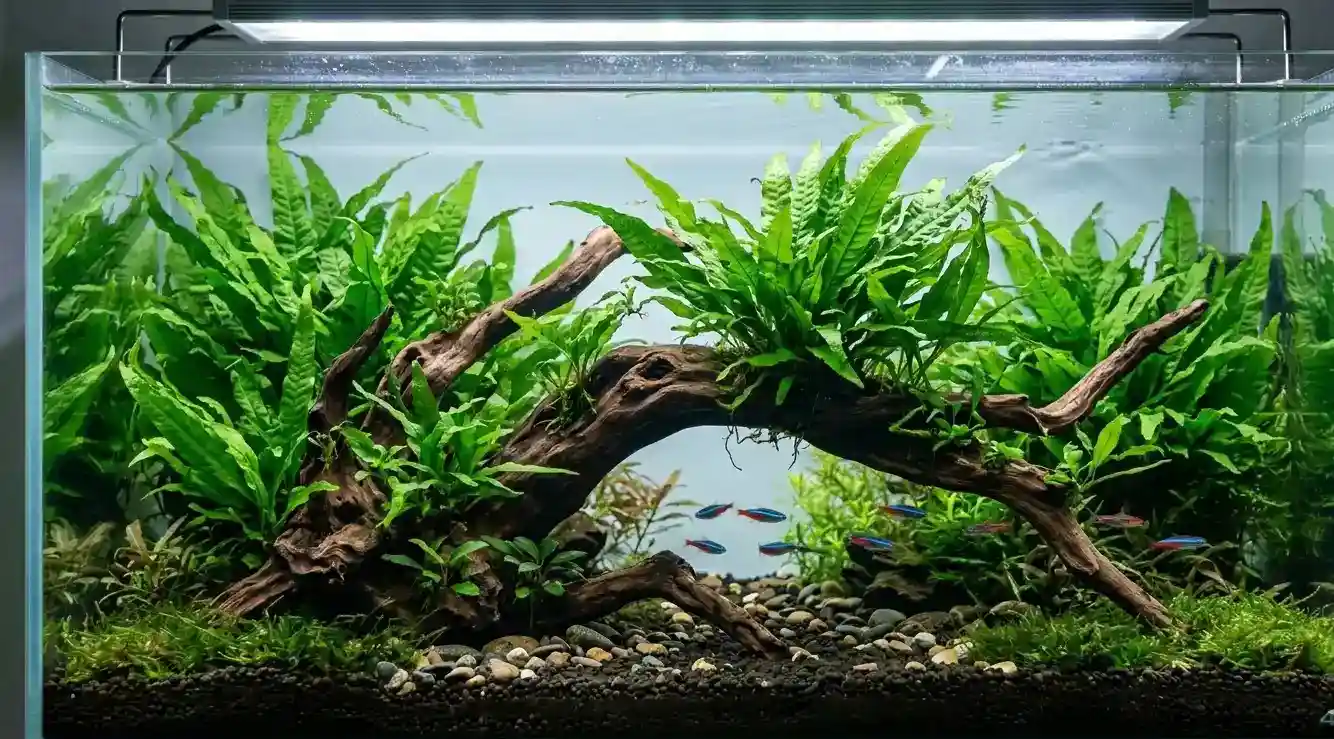
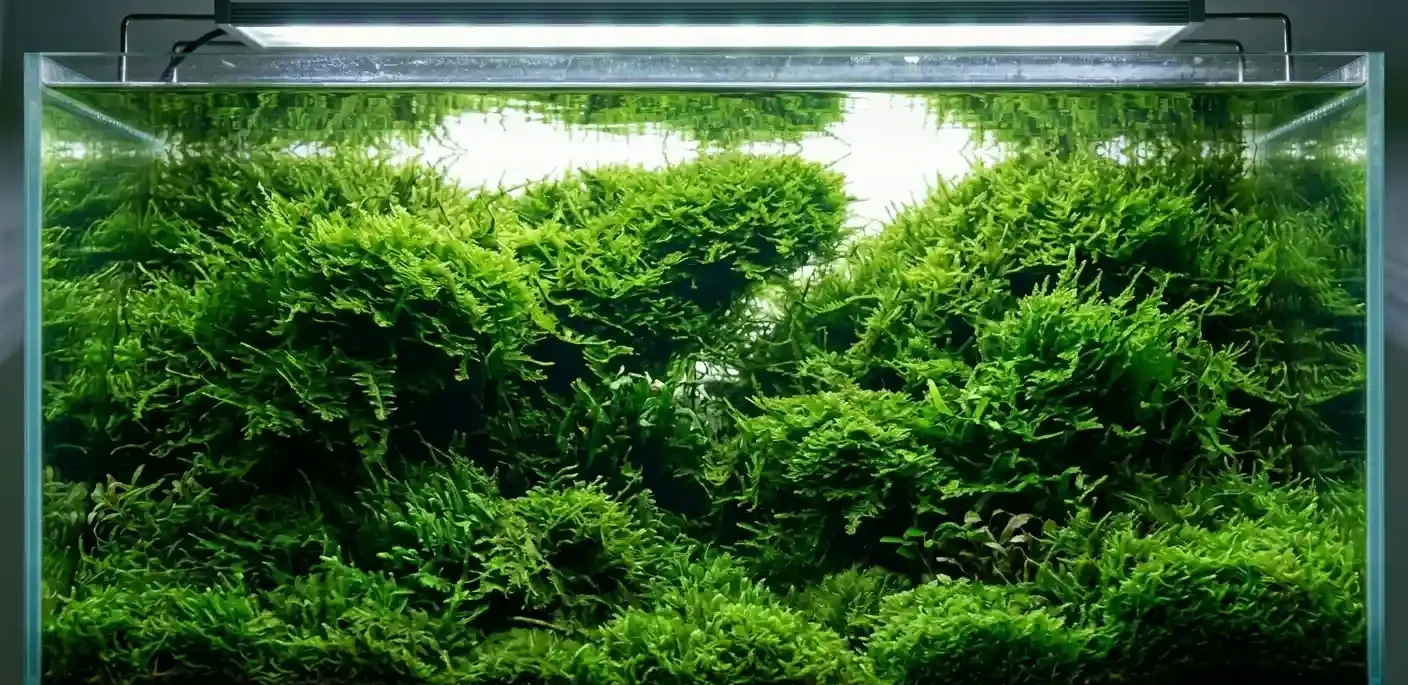
Among all aquascaping styles, the Dutch Aquascape stands out for its vibrant plant arrangements, striking colors, and carefully planned layouts. Unlike nature aquariums that rely heavily on rocks and driftwood, Dutch aquascaping transforms an aquarium into an underwater garden filled with layers of healthy aquatic plants.
A well-designed Dutch aquarium is colorful, organized, and visually balanced. Every plant group has a purpose. Every color creates contrast. Every row of plants contributes to the overall composition.
For aquarists who love aquatic plants and enjoy creating living underwater landscapes, Dutch aquascaping remains one of the most rewarding styles to master.
The History of Dutch Aquascapes
Origins of the Dutch Aquarium Style
Dutch aquascaping originated in the Netherlands during the 1930s. The style became popular through aquarium societies that encouraged hobbyists to focus on plant cultivation and artistic aquarium layouts.
Because aquatic plants were the primary attraction, aquascapers developed specific design principles to showcase plant diversity rather than hardscape materials.
How Dutch Aquascaping Became Popular Worldwide
As aquarium technology improved, Dutch-style aquariums gained popularity across Europe, Asia, and North America. Today, many aquascaping competitions still feature Dutch-inspired layouts that emphasize plant health, color coordination, and structured planting.
The style continues to influence modern planted aquarium design around the world.
What Makes a Dutch Aquascape Unique?
Dutch aquascapes differ significantly from other aquarium styles.
Focus on Plants Rather Than Hardscape
In a Dutch aquarium, plants are the main attraction. Rocks and driftwood play a minimal role or are often completely absent.
Instead of relying on hardscape materials, aquascapers create visual interest through:
- Plant color
- Leaf shape
- Height variation
- Growth patterns
- Plant grouping
The Garden-Like Appearance
Many hobbyists describe Dutch aquascapes as underwater gardens. Rows of plants are carefully arranged to create pathways, layers, and depth throughout the aquarium.
The result is a lush and vibrant display that resembles a professionally landscaped garden beneath the water.
Essential Characteristics of a Dutch Aquascape
Several design principles define a true Dutch aquascape.
Plant Streets
Plant streets are one of the most recognizable Dutch aquascaping features.
A plant street is a row of plants that extends diagonally toward the back of the aquarium. This technique creates depth and makes the tank appear larger than it actually is.
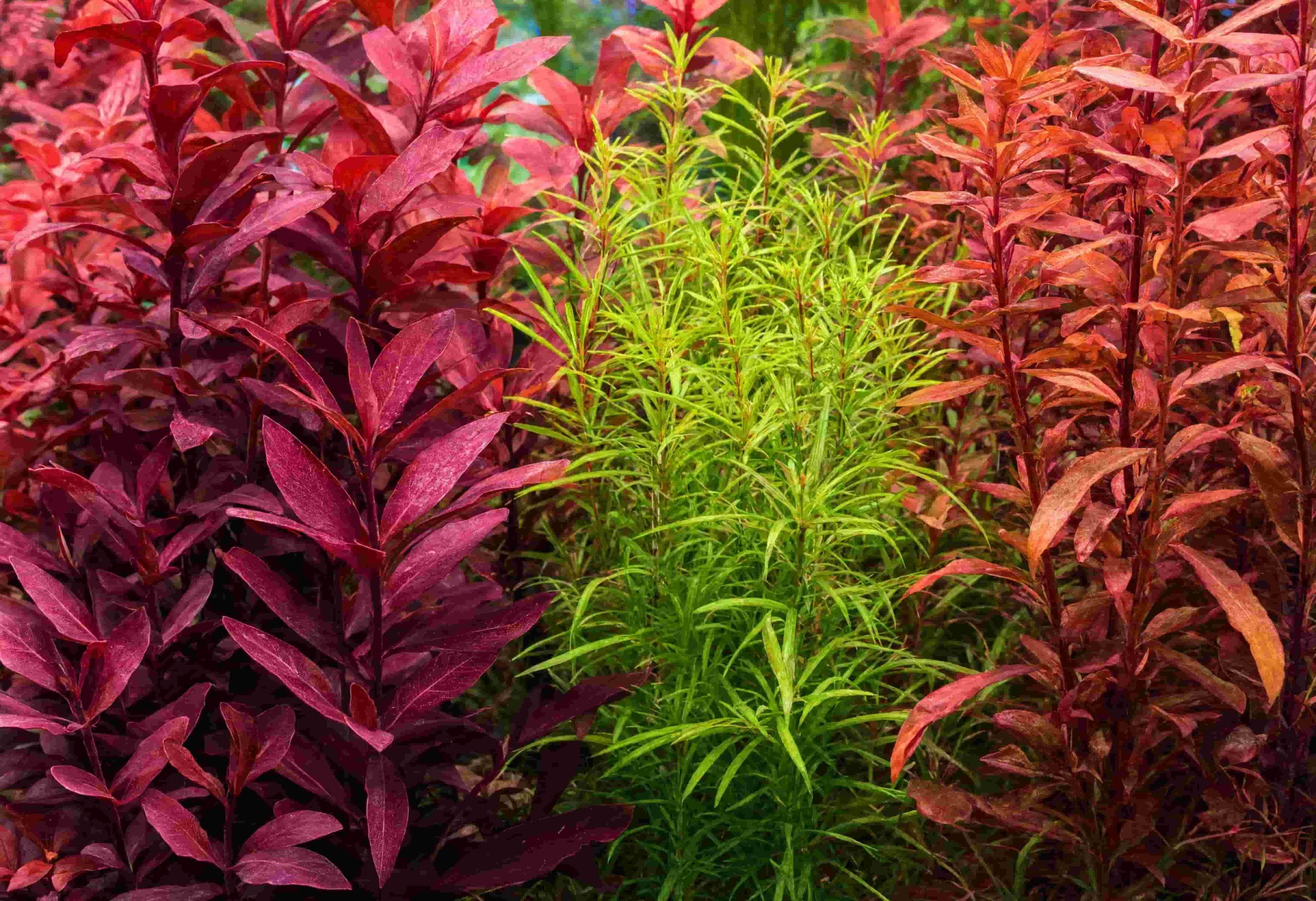
Color Contrast
Color plays a major role in Dutch layouts.
Green plants are often placed next to red, orange, or purple species to create visual separation and highlight individual plant groups.
Popular color combinations include:
- Green and red
- Light green and dark green
- Orange and green
- Pink and green
Height Variation
Plants are arranged in layers to create a structured appearance.
Typical placement includes:
- Short plants in the foreground
- Medium-height plants in the center
- Tall plants in the background
This arrangement improves perspective and depth.
Texture Diversity
Different leaf shapes help create contrast throughout the aquarium.
Combining broad-leaf plants with fine-leaf stem plants prevents the layout from appearing repetitive.
Dutch Aquascape vs Nature Aquascape
Many beginners confuse Dutch aquascapes with Nature Aquariums.
Key Differences Explained
| Feature | Dutch Aquascape | Nature Aquascape |
| Main Focus | Plants | Hardscape and Plants |
| Driftwood | Minimal | Common |
| Rocks | Rare | Essential |
| Layout Style | Structured | Natural |
| Plant Variety | High | Moderate |
| Visual Appearance | Garden Style | Landscape Style |
| Maintenance | High | Moderate |
Which Style Is Best for Beginners?
Nature aquariums are generally easier for beginners because they rely on fewer plant species.
Dutch aquascapes require more planning, pruning, and nutrient management but offer incredible visual rewards.
Best Plants for a Dutch Aquascape
Choosing the right plants is critical to achieving an authentic Dutch layout.
Foreground Plants
Popular foreground choices include:
- Staurogyne Repens
- Marsilea Hirsuta
- Helanthium Tenellum
- Cryptocoryne Parva
Midground Plants
Midground plants create transitions between foreground and background sections.
Recommended species:
- Cryptocoryne Wendtii
- Hygrophila Compacta
- Anubias Nana
- Lobelia Cardinalis
Background Plants
Background plants create height and structure.
Excellent options include:
- Rotala Rotundifolia
- Limnophila Sessiliflora
- Ludwigia Repens
- Hygrophila Corymbosa
Color Accent Plants
Colorful plants add visual impact.
Popular choices include:
- Alternanthera Reineckii
- Rotala H’ra
- Ludwigia Super Red
- Rotala Macrandra
How to Design a Dutch Aquascape Step by Step
Planning the Layout
Before planting, create a rough sketch of the aquarium.
Identify:
- Plant groups
- Color zones
- Focal areas
- Plant streets
A clear plan helps prevent overcrowding later.
Selecting Plant Groups
Dutch aquascapes typically feature multiple plant species arranged in distinct groups.
Each group should contain enough stems to create a dense and uniform appearance.
Creating Depth and Perspective
Depth is achieved by:
- Using shorter plants at the front
- Positioning taller species toward the rear
- Creating diagonal plant streets
- Varying leaf sizes
Arranging Plant Streets
Plant streets should lead the viewer’s eye toward the back of the aquarium.
This simple design technique creates an illusion of greater space and depth.
Equipment Required for a Successful Dutch Aquascape
Because Dutch aquariums contain a large number of aquatic plants, high-quality equipment is essential.
Lighting Requirements
Most Dutch aquascapes require medium to high-intensity lighting.
A quality LED aquarium light helps maintain compact growth and vibrant colors.
CO₂ System
A pressurized CO₂ system is strongly recommended.
Benefits include:
- Faster plant growth
- Better coloration
- Reduced algae issues
- Improved plant health
Nutrient-Rich Substrate
Plants rely heavily on substrate nutrients.
Aquasoil is often the preferred choice because it supports root development and nutrient uptake.
Filtration
Good filtration improves water circulation and nutrient distribution throughout the aquarium.
Stable water quality is crucial for maintaining healthy plant growth.
Common Dutch Aquascaping Mistakes to Avoid
Many beginners make similar mistakes when creating their first Dutch aquarium.
Avoid:
- Planting too many species
- Ignoring color contrast
- Allowing plants to overgrow
- Using insufficient CO₂
- Poor lighting schedules
- Neglecting regular pruning
Consistent maintenance is essential for preserving the structured appearance that defines Dutch aquascaping.
Dutch Aquascape Plant Combination Table
| Plant Type | Recommended Species |
| Foreground | Staurogyne Repens |
| Foreground | Cryptocoryne Parva |
| Midground | Cryptocoryne Wendtii |
| Midground | Lobelia Cardinalis |
| Background | Rotala Rotundifolia |
| Background | Ludwigia Repens |
| Accent Plant | Rotala Macrandra |
| Accent Plant | Alternanthera Reineckii |
Maintenance Tips for Long-Term Success
Dutch aquascapes require ongoing attention.
Weekly maintenance should include:
- Water changes
- Stem trimming
- Fertilizer dosing
- Glass cleaning
- CO₂ monitoring
- Removal of unhealthy leaves
Regular pruning helps maintain clear plant group boundaries and prevents one species from dominating the layout.
Why Dutch Aquascapes Remain Popular Today
Despite the rise of modern aquascaping styles, Dutch aquariums continue to attract hobbyists worldwide.
Their popularity comes from:
- Vibrant colors
- Incredible plant diversity
- Artistic layout possibilities
- Dynamic visual appeal
- Continuous plant growth and evolution
Few aquarium styles showcase aquatic plants as beautifully as a well-maintained Dutch aquascape.
Final Thoughts
A Dutch aquascape is the perfect choice for aquarists who enjoy aquatic gardening and want to create a stunning plant-focused aquarium. With its structured layout, colorful plant combinations, and carefully planned design principles, this classic aquascaping style continues to inspire hobbyists across the globe.
While it requires dedication, pruning, and regular maintenance, the reward is a living underwater garden filled with color, depth, and natural beauty. With the right plants, proper equipment, and a thoughtful layout, anyone can create a breathtaking Dutch aquascape that becomes the centerpiece of any room.