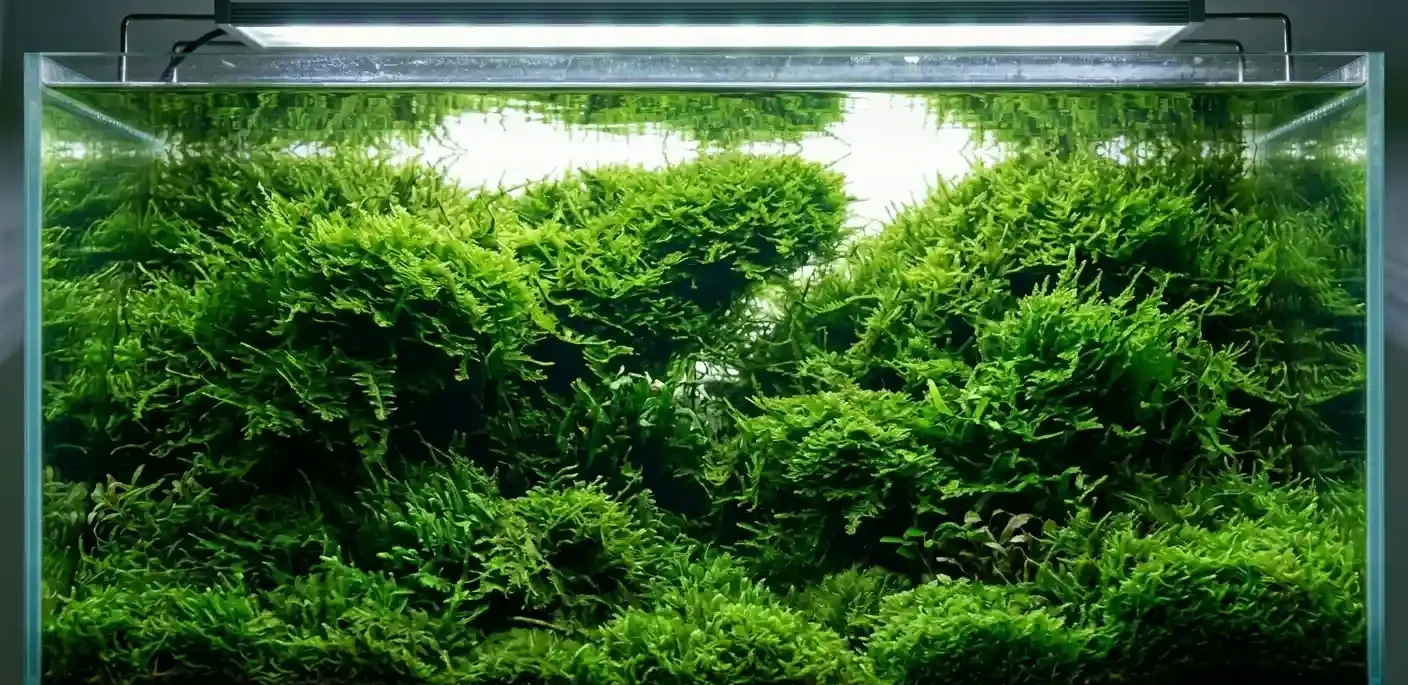
Creating a beautiful planted aquarium is more than arranging a few plants and filling a tank with water. Every stunning aquascape starts with thoughtful planning, proper equipment, and consistent maintenance. Yet many beginners make avoidable mistakes that lead to algae problems, unhealthy plants, cloudy water, and disappointing layouts.
The good news? Most aquascaping issues can be prevented before they even begin.
Whether you’re building your first planted aquarium or upgrading an existing setup, avoiding these common aquascaping mistakes can help create a healthy, balanced, and visually impressive underwater ecosystem.
Why Avoiding Aquascaping Mistakes Matters
Aquascaping combines art and biology. A planted tank should not only look attractive but also provide the right environment for aquatic plants, fish, and beneficial bacteria.
Small mistakes often create larger problems over time. Poor lighting may trigger algae. Incorrect plant placement can make the layout look flat. Inadequate substrate can slow plant growth.
Understanding what not to do is often just as important as knowing what to do.
Mistake 1 – Skipping a Proper Aquascape Plan
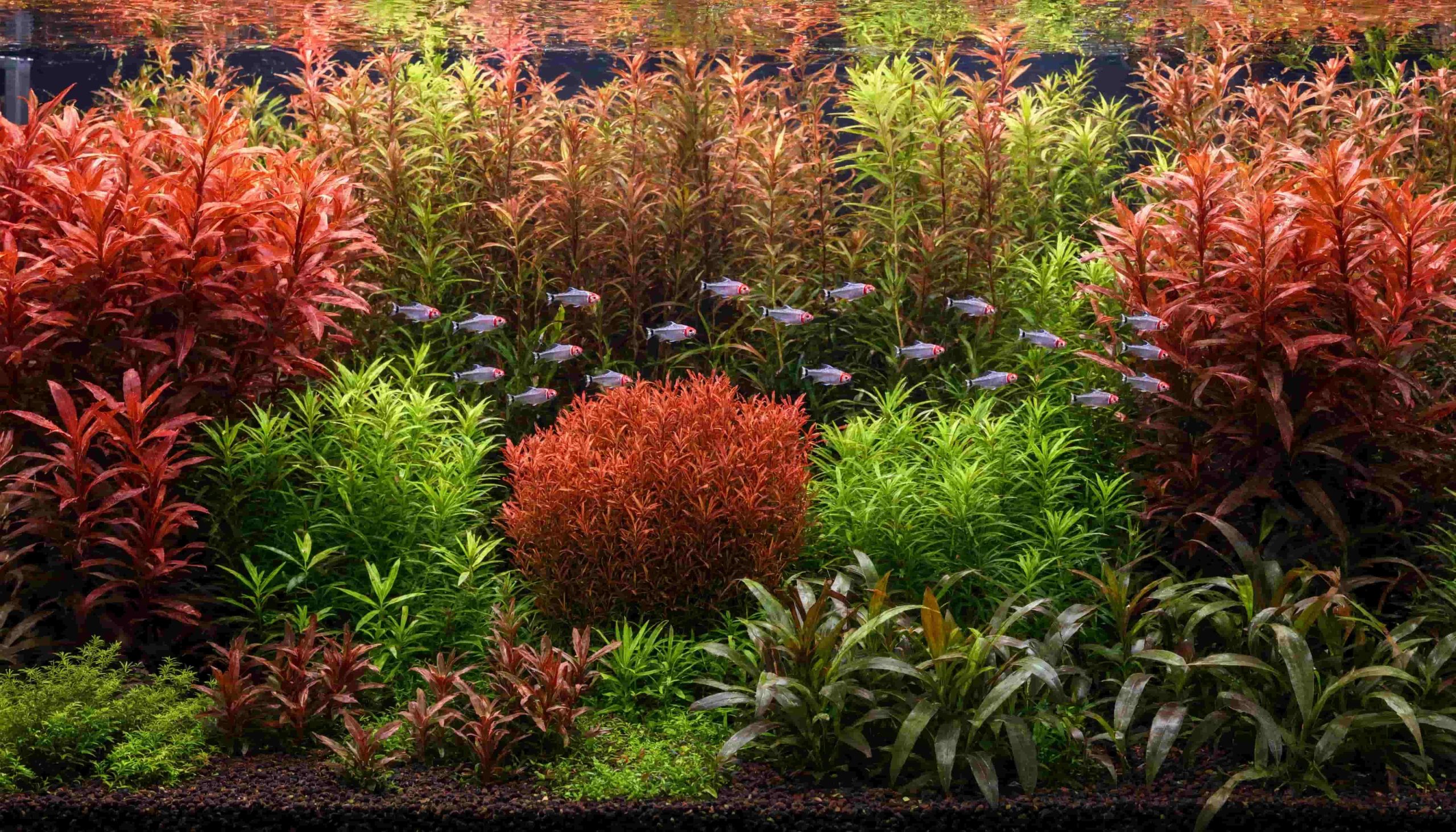
Many hobbyists buy plants, rocks, and driftwood before deciding on a layout. This usually results in a random design that lacks balance and visual appeal.
Why Planning Is Essential
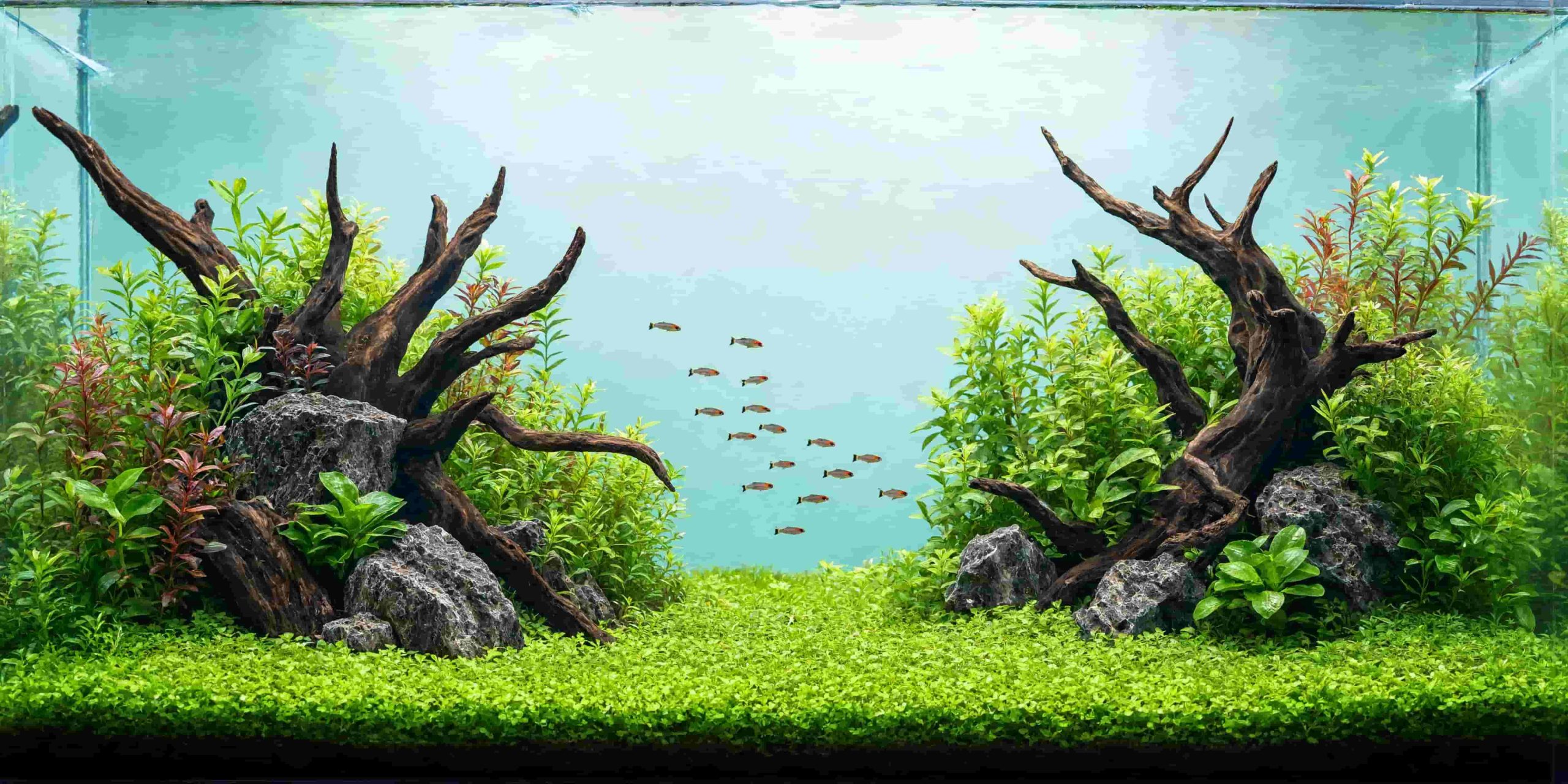
Professional aquascapers spend considerable time planning before adding water. They visualize focal points, plant placement, hardscape structure, and depth.
How to Create a Layout Before Setup
- Sketch the design on paper
- Select a clear focal point
- Decide on a theme
- Arrange hardscape materials before planting
- Take photos and review different layouts
A strong plan creates a stronger aquascape.
Mistake 2 – Choosing the Wrong Aquarium Size
Many beginners assume smaller tanks are easier to maintain. In reality, nano aquariums can be more challenging because water parameters change quickly.
Small Tanks Aren’t Always Easier
A slight overfeeding or fertilizer overdose can significantly impact a small aquarium.
Finding the Right Balance
For beginners, tanks between 60 and 120 liters often provide a better balance between stability and maintenance.
Larger water volumes create a more forgiving environment for plants and fish.
Mistake 3 – Using Poor-Quality Substrate
Substrate serves as the foundation of every planted tank.
Without proper nutrients in the substrate, plants struggle to establish healthy root systems.
The Foundation of Plant Growth
Root-feeding plants such as Cryptocoryne, Amazon Swords, and Vallisneria depend heavily on nutrient-rich substrate.
Best Substrate Options for Planted Tanks
- Aquasoil
- Nutrient-rich plant substrates
- Mineral-based planted tank soils
- Layered substrate systems
Investing in quality substrate often produces better results than spending heavily on plants.
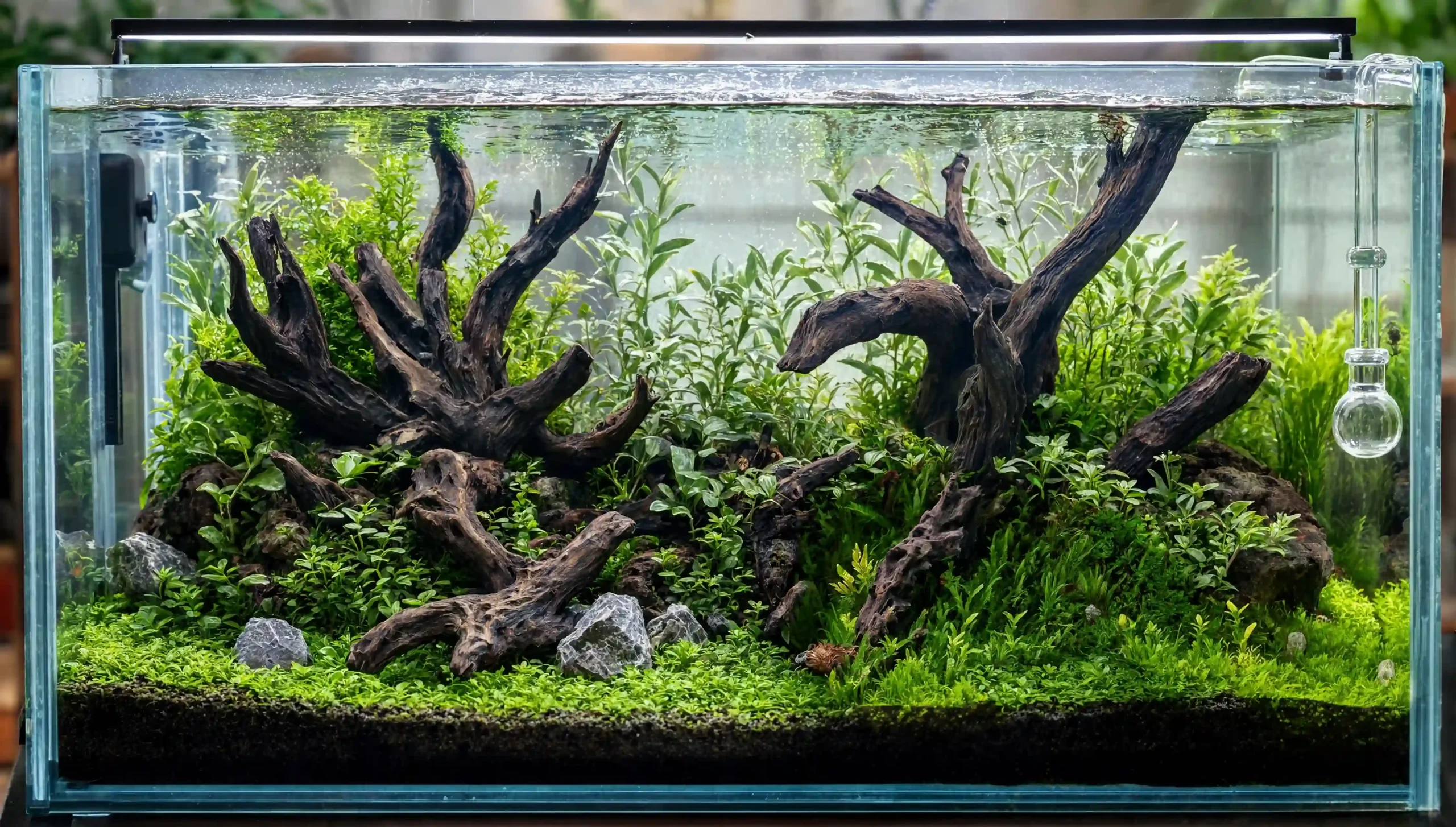
Mistake 4 – Overcrowding the Hardscape
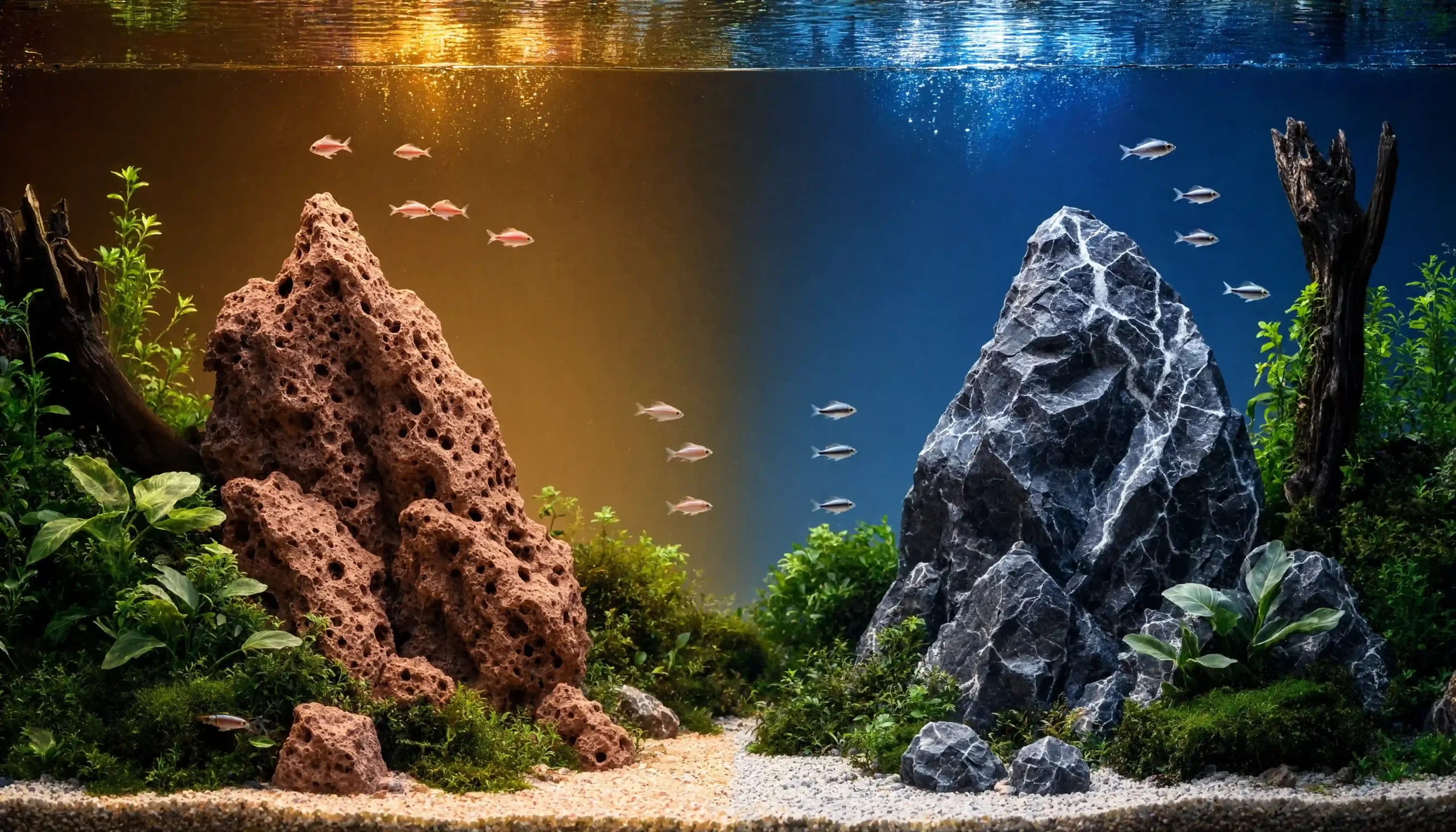
A common mistake is adding too many rocks, stones, and driftwood pieces.
Instead of creating a natural landscape, the tank starts looking cluttered.
Too Many Rocks and Driftwood
Every hardscape element should have a purpose within the design.
Understanding Negative Space
Negative space creates breathing room within an aquascape. Open areas help draw attention to focal points and improve overall balance.
Sometimes less is more.
Mistake 5 – Selecting Plants Without a Strategy
Many hobbyists purchase plants based solely on appearance.
The result? Fast-growing species overwhelm slow growers, while demanding plants struggle to survive.
Mixing Incompatible Plant Species
Some plants require:
- High CO₂
- Intense lighting
- Frequent fertilization
Others thrive under low-tech conditions.
Choosing Plants Based on Tank Conditions
Choose plants that match:
- Lighting levels
- CO₂ availability
- Tank size
- Maintenance goals
A balanced plant selection improves both aesthetics and long-term success.
Mistake 6 – Incorrect Lighting Setup
Lighting is one of the most misunderstood aspects of aquascaping.
Many beginners assume stronger lighting automatically means better plant growth.
Too Much Light
Excessive lighting often leads to:
- Green algae
- Hair algae
- Black beard algae
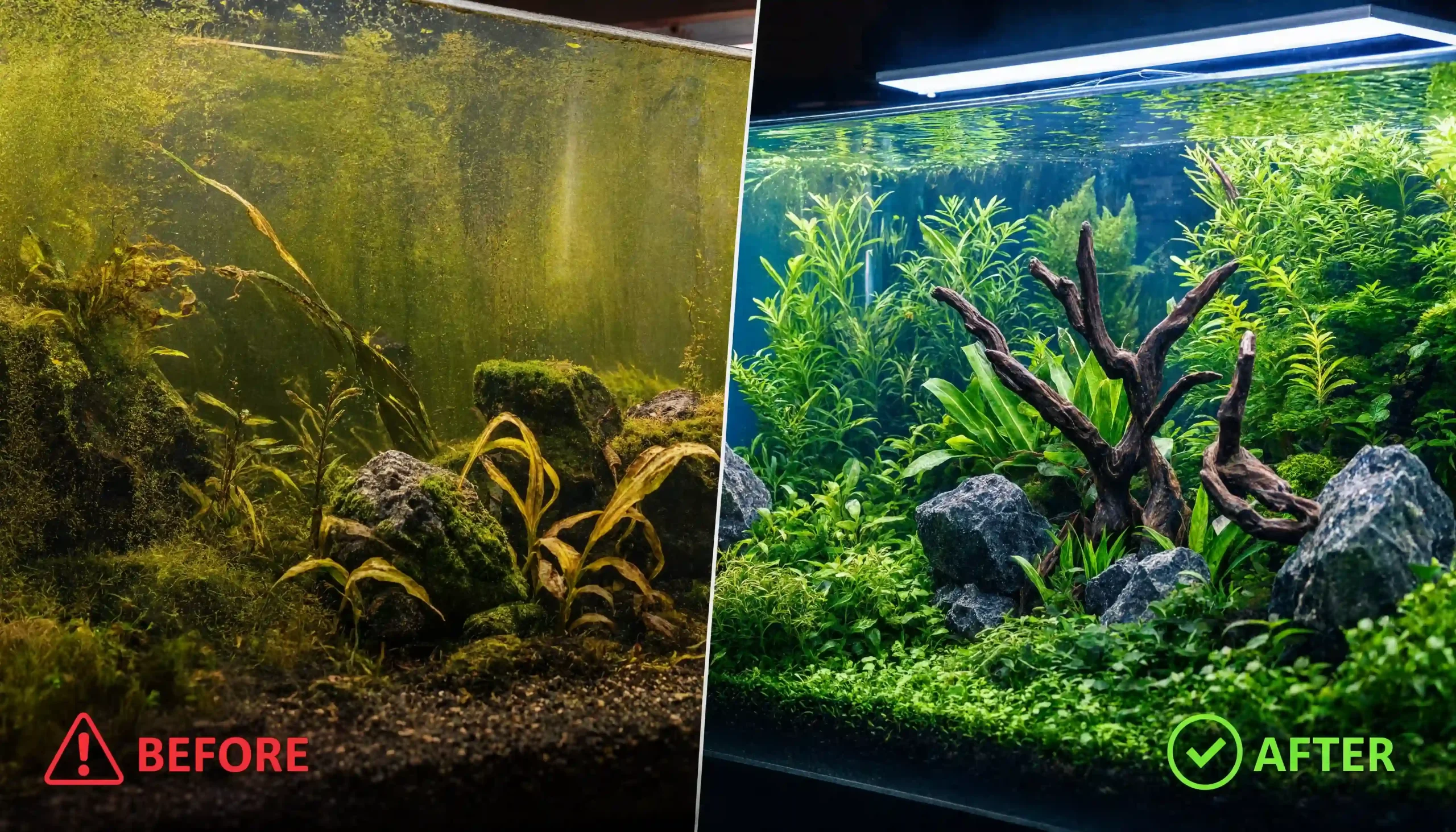
Plants cannot utilize excess light without adequate CO₂ and nutrients.
Too Little Light
Insufficient lighting results in:
- Weak growth
- Yellow leaves
- Stem stretching
- Poor carpeting plants
Most planted aquariums perform well with 6 to 8 hours of consistent lighting daily.
Mistake 7 – Ignoring CO₂ and Nutrient Balance
Plants require three key elements:
- Light
- CO₂
- Nutrients
These must remain balanced.
Understanding the Relationship Between Light, CO₂, and Fertilizers
Increasing one factor while neglecting the others often causes algae outbreaks.
For example:
High light + low CO₂ = algae problems.
Preventing Algae Outbreaks
Maintain consistency with:
- Fertilizer dosing
- CO₂ injection
- Lighting duration
- Water changes
Balance is the secret behind thriving planted tanks.
Mistake 8 – Poor Plant Placement
Even healthy plants can make an aquascape look unattractive when placed incorrectly.
Foreground, Midground, and Background Rules
Foreground Plants:
- Monte Carlo
- Dwarf Hairgrass
Midground Plants:
- Cryptocoryne
- Bucephalandra
- Anubias
Background Plants:
- Rotala
- Ludwigia
- Vallisneria
Creating Depth and Perspective
Place taller plants toward the rear and shorter species in front.
This creates a sense of distance and visual depth.
Mistake 9 – Adding Fish Too Early
Patience is one of the most valuable skills in aquascaping.
Many hobbyists introduce fish immediately after setting up the aquarium.
The Importance of Tank Cycling
New aquariums require time to establish beneficial bacteria colonies.
Without cycling, harmful ammonia can build up rapidly.
Protecting Plants and Livestock
Allow the tank to cycle fully before adding fish.
This creates a safer and more stable ecosystem.
Mistake 10 – Neglecting Regular Maintenance
Even the most beautiful aquascape requires ongoing care.
Without maintenance, plant growth becomes uncontrolled and algae can quickly take over.
Pruning, Cleaning, and Water Changes
Regular maintenance includes:
- Weekly water changes
- Glass cleaning
- Plant trimming
- Filter maintenance
- Removing dead leaves
Long-Term Aquascape Success
Consistent maintenance keeps the aquarium healthy, balanced, and visually attractive for years.
Quick Summary Table of Common Aquascaping Mistakes
| Mistake | Common Result | Recommended Solution |
| No Planning | Poor Layout | Create a design before setup |
| Wrong Tank Size | Unstable Water Parameters | Choose a medium-sized aquarium |
| Poor Substrate | Weak Plant Growth | Use nutrient-rich substrate |
| Overcrowded Hardscape | Cluttered Appearance | Use negative space effectively |
| Random Plant Selection | Growth Problems | Match plants to tank conditions |
| Incorrect Lighting | Algae or Weak Growth | Balance light with CO₂ |
| Ignoring CO₂ Balance | Plant Deficiencies | Maintain nutrient consistency |
| Poor Plant Placement | Flat Layout | Follow foreground-to-background design |
| Adding Fish Too Early | Water Quality Issues | Fully cycle the aquarium |
| Lack of Maintenance | Algae and Overgrowth | Establish a weekly routine |
Final Thoughts
A successful planted aquarium is built on patience, planning, and consistency. Most aquascaping failures are not caused by expensive equipment or difficult plants. They happen because of simple mistakes that can easily be avoided.
By planning your layout, choosing the right substrate, balancing lighting and CO₂, selecting compatible plants, and maintaining the aquarium regularly, you can create a thriving underwater landscape that remains beautiful for years.
The best aquascapes are not built overnight. They evolve over time, becoming more natural, balanced, and impressive with every stage of growth.