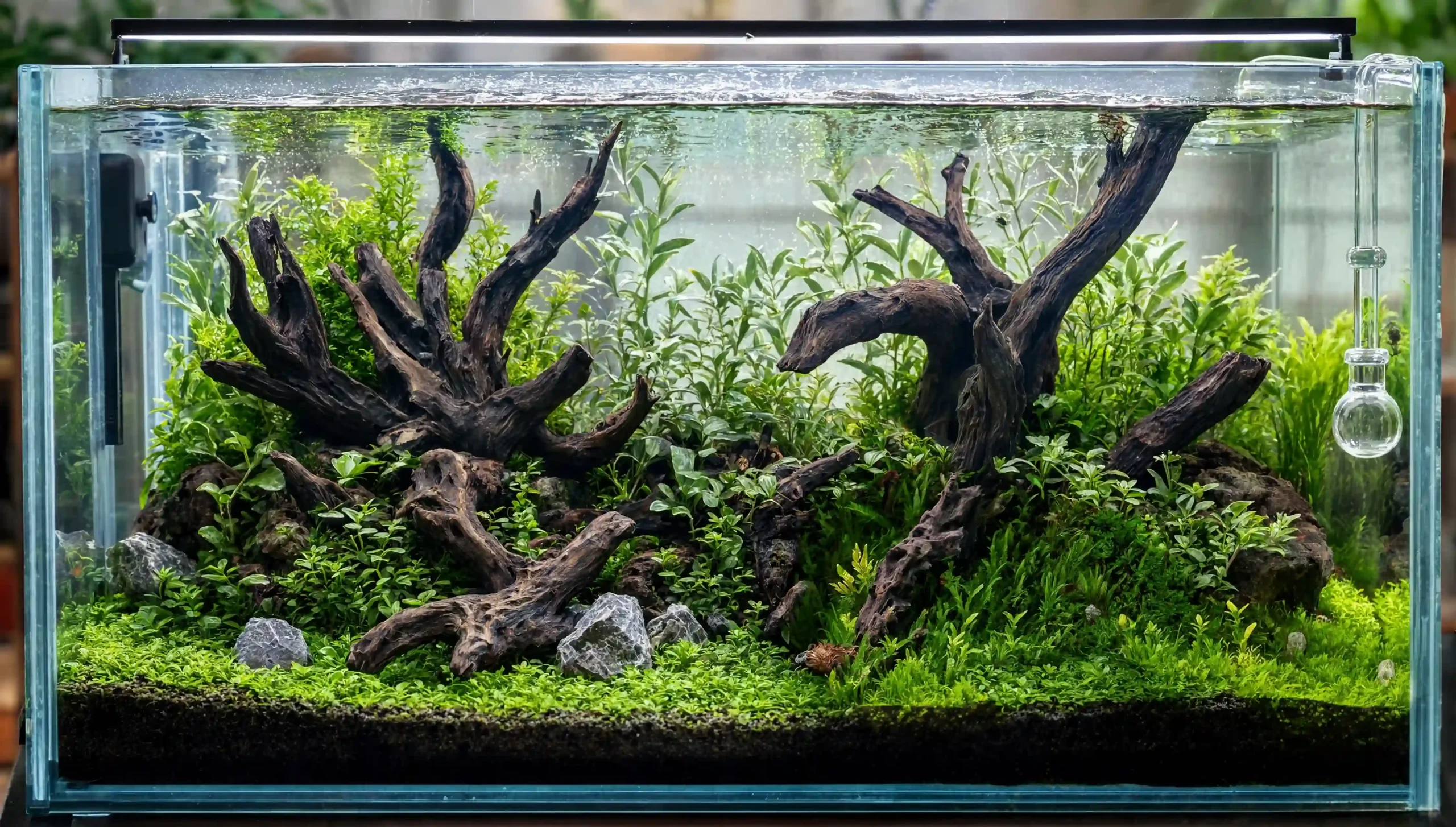
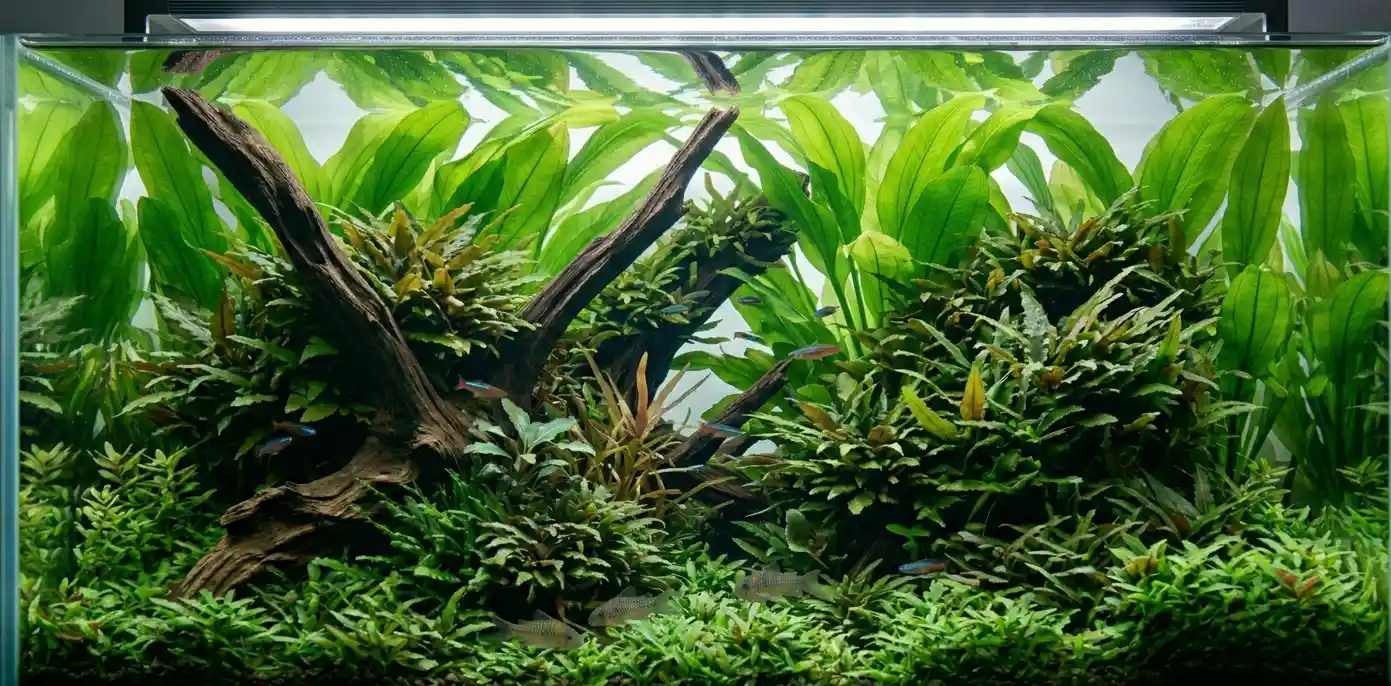
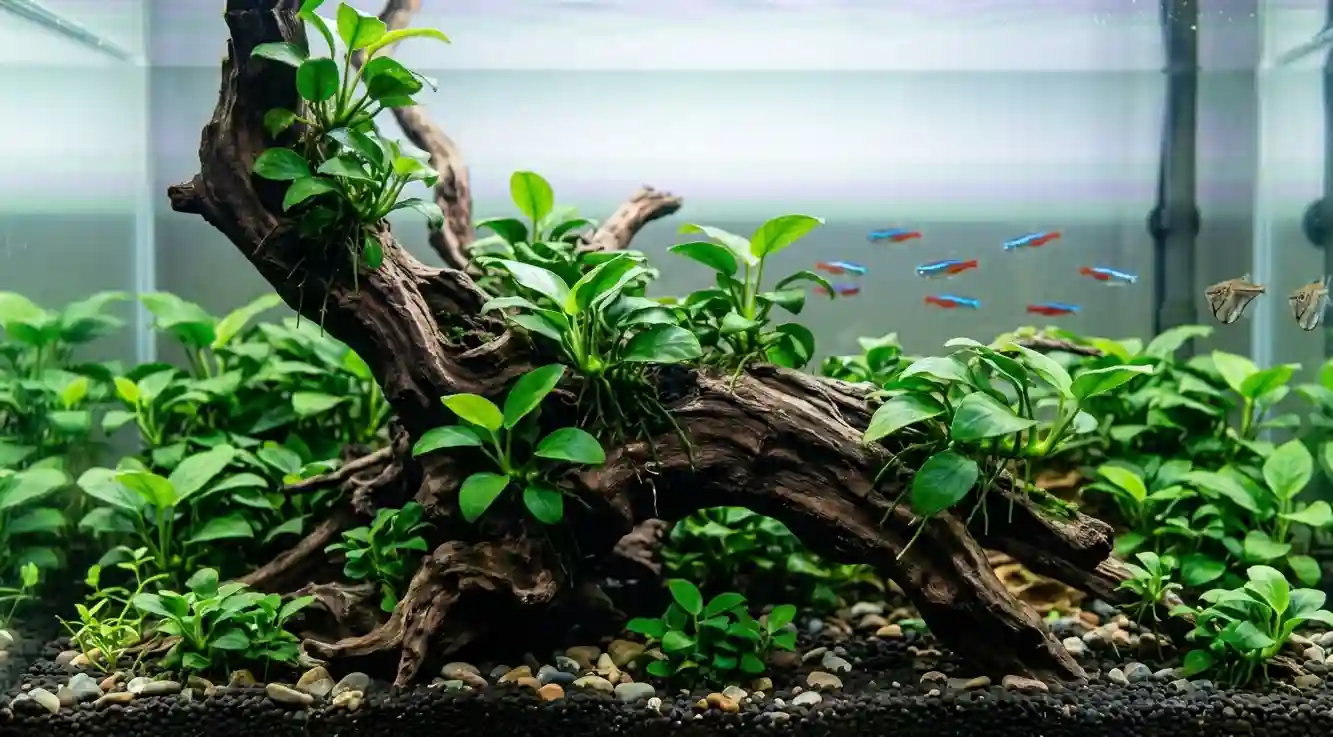
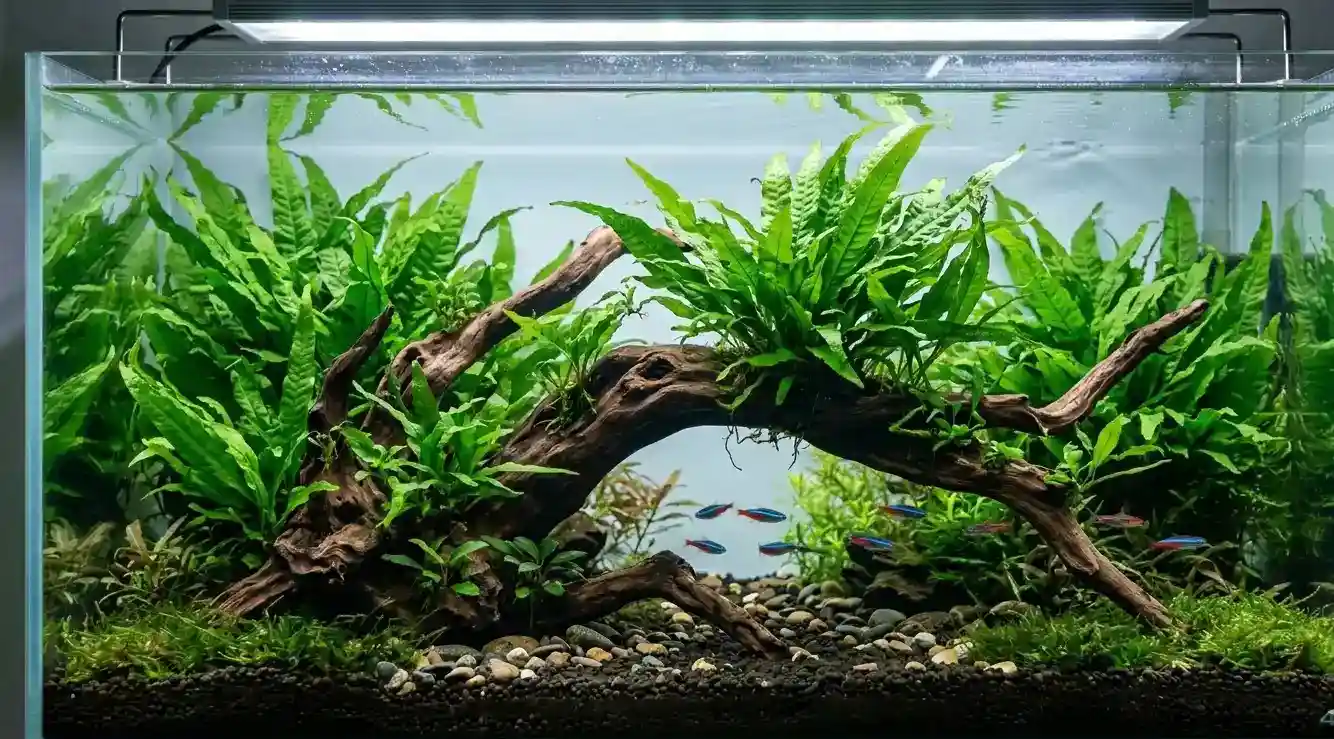
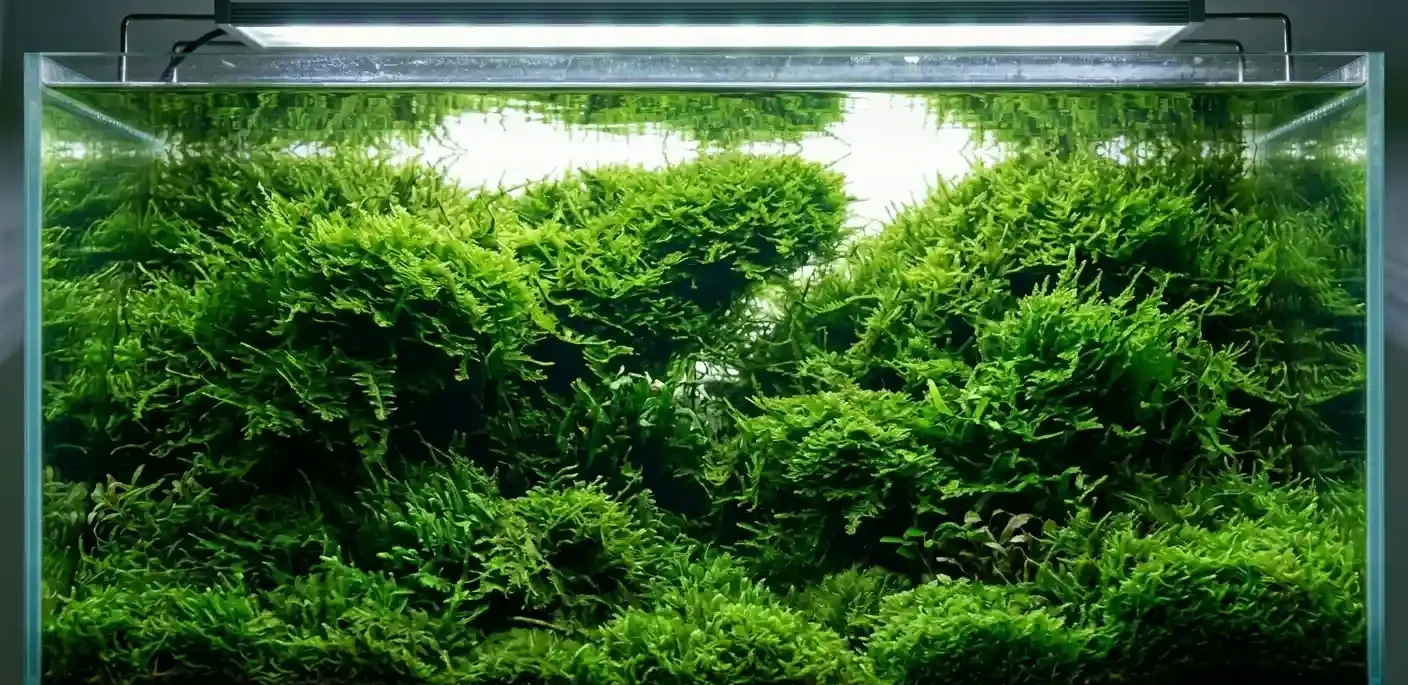
Aquascaping is the art of designing underwater landscapes inside an aquarium using plants, rocks, wood, and substrate. Beginners can start with a small tank, beginner-friendly live plants, basic lighting, and a simple layout style. With the right setup and consistent maintenance, a beautiful aquascape is achievable even without prior experience.
Have you ever looked at a beautifully planted aquarium and thought, “I could never do that”? Think again! Aquascaping looks intimidating at first glance, but it’s one of the most rewarding hobbies you can pick up especially once you see your first tank come alive with lush green plants and crystal-clear water.
This guide walks you through everything you need to know as a complete beginner. From choosing your first plants to setting up your tank layout, you’ll have all the knowledge to create your own underwater world with confidence.
What exactly is aquascaping?
Aquascaping is the practice of arranging aquatic plants, rocks, driftwood, and substrate inside an aquarium to create a visually stunning underwater landscape. Think of it as gardening but underwater. The goal is to craft a natural, balanced, and beautiful aquatic environment that mimics scenes found in rivers, forests, or even open grasslands.
The term itself blends “aquatic” and “landscaping,” and it originated from the Nature Aquarium style pioneered by Japanese aquarist Takashi Amano in the 1990s. Today, aquascaping has grown into a global art form with dedicated competitions and passionate communities worldwide.
Why should beginners try aquascaping?
Here’s something many people don’t know: aquascaping is genuinely calming. Studies have shown that watching aquariums reduces stress, lowers blood pressure, and promotes relaxation. But aquascaping takes that even further you’re not just watching, you’re creating.
Here are some reasons beginners love getting started:
- It’s deeply creative. Every tank is a blank canvas. You choose the layout, the plants, the hardscape, and the inhabitants.
- It teaches patience and observation. Plants grow slowly. You’ll notice every new leaf, every color change, and every new root.
- It’s endlessly customizable. Tiny nano tanks fit on a desk. Large scapes can become a dramatic room centerpiece.
- It supports a living ecosystem. A well-planted tank naturally filters the water and creates a healthy home for fish and shrimp.
- It’s genuinely satisfying. There’s nothing quite like watching a tank you built from scratch thrive over months.
What equipment do you need to start aquascaping?
Before planting a single stem, you’ll need a few essential tools. Don’t worry—a beginner setup doesn’t need to be expensive.
| Equipment | Purpose | Beginner Recommendation |
| Aquarium Tank | Houses your aquascape | 20–60 liters for starters |
| Substrate | Root base and aesthetic ground layer | Nutrient-rich aqua soil or fine gravel |
| Lighting | Powers plant growth | Full-spectrum LED aquarium light |
| Filter | Keeps water clean and circulating | Hang-on-back or canister filter |
| Fertilizers | Feeds plants essential nutrients | Liquid fertilizer for low-tech tanks |
| CO₂ System (optional) | Accelerates plant growth | Not required for low-tech beginners |
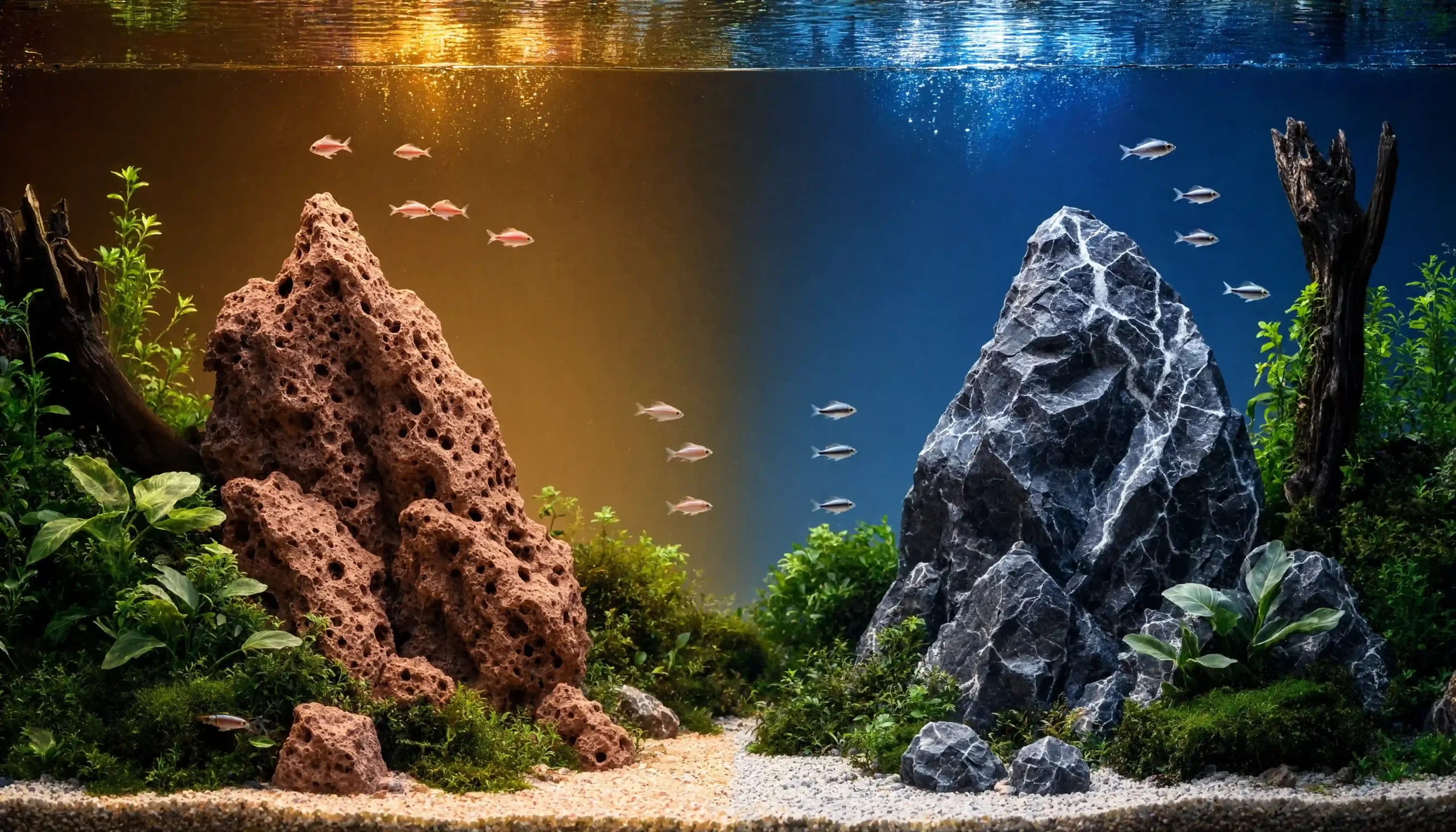
| Hardscape Materials | Rocks, driftwood for structure | Seiryu stone, lava rock, or driftwood |
| Aquascaping Tools | Planting and trimming | Tweezers, scissors, and spatula |
For true beginners, a low-tech setup no CO₂ injection is the smartest way to start. Low-tech tanks use hardy plants that grow well under moderate lighting and basic liquid fertilization alone.
Which aquascaping styles are best for beginners?
What is the Nature Aquarium style, and is it beginner-friendly?
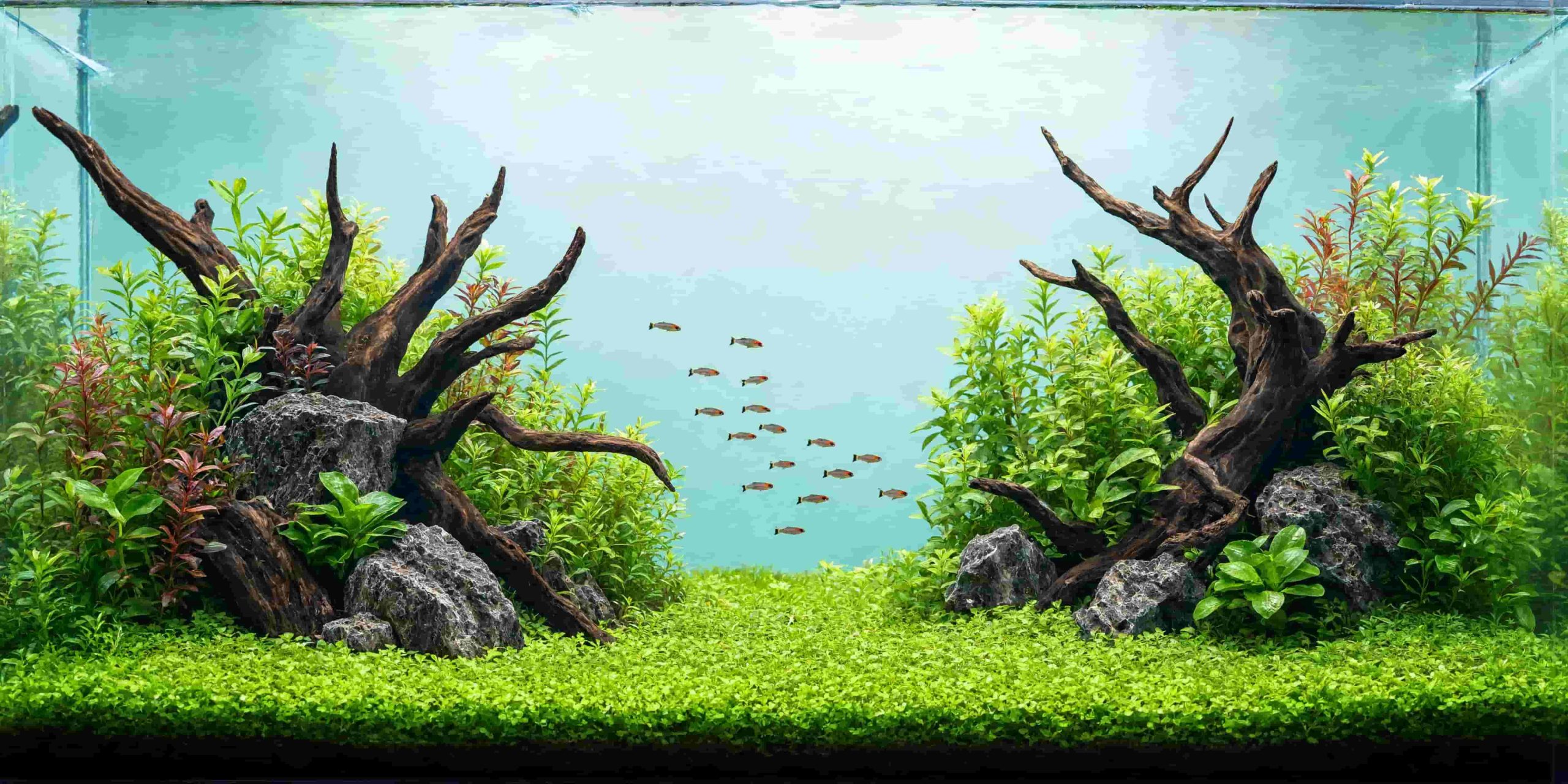
The Nature Aquarium style, created by Takashi Amano, replicates natural landscapes such as forests, mountains, or open fields. It uses a single focal point, asymmetric layouts, and a mix of plant textures. This style is popular for beginners because the rules are flexible and the results look stunning even at a basic level.
What is the Iwagumi style, and how hard is it for beginners?
Iwagumi is a minimalist style centered around rock arrangements. It typically uses only one or two plant species, creating a clean, serene look. The challenge? Algae management is more difficult in sparse tanks. Iwagumi suits beginners who love simplicity but requires slightly more patience.
What is the Dutch aquascape style, and should beginners attempt it?
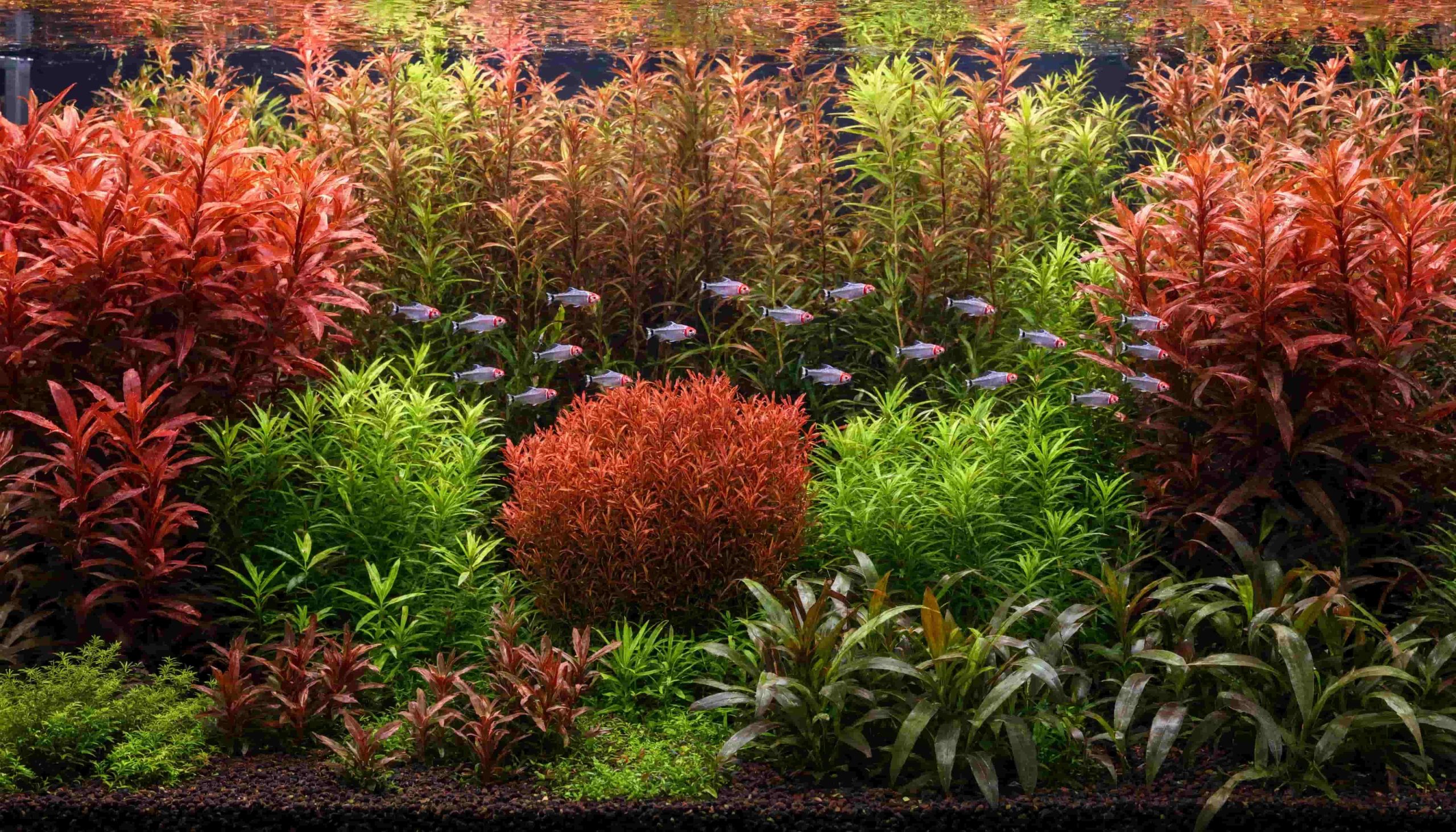
Dutch aquascaping is plant-heavy and relies on color contrast and layering of different species. It’s visually lush but demands more plant variety and maintenance knowledge. For most beginners, this style is better attempted after mastering the basics.
Beginner recommendation: Start with the Nature Aquarium style. It’s forgiving, flexible, and produces breathtaking results without requiring advanced skills.
How do you choose the right plants for a beginner aquascape?
Plant selection is where many beginners go wrong they pick beautiful-looking plants without checking care requirements. Here’s what to look for:
- Choose low-light tolerant plants. Anubias, Java Fern, and Cryptocoryne species thrive without CO₂ or high lighting.
- Pick plants with different growth heights. Use tall background plants, medium midground plants, and short foreground carpeting plants to create depth.
- Opt for tissue culture plants when possible. Tissue culture plants, like those available from Aquacolours in Bangalore, are lab-grown, sterile, and free from snails, algae, and pests making them ideal for a clean beginner setup.
- Avoid fast-growing stem plants initially. They look great but require frequent trimming and more nutrients to stay healthy.
Great beginner plants include: Staurogyne repens (foreground), Cryptocoryne Pink (midground), Rotala Blood Red (background), and Bucephalandra species (accent).
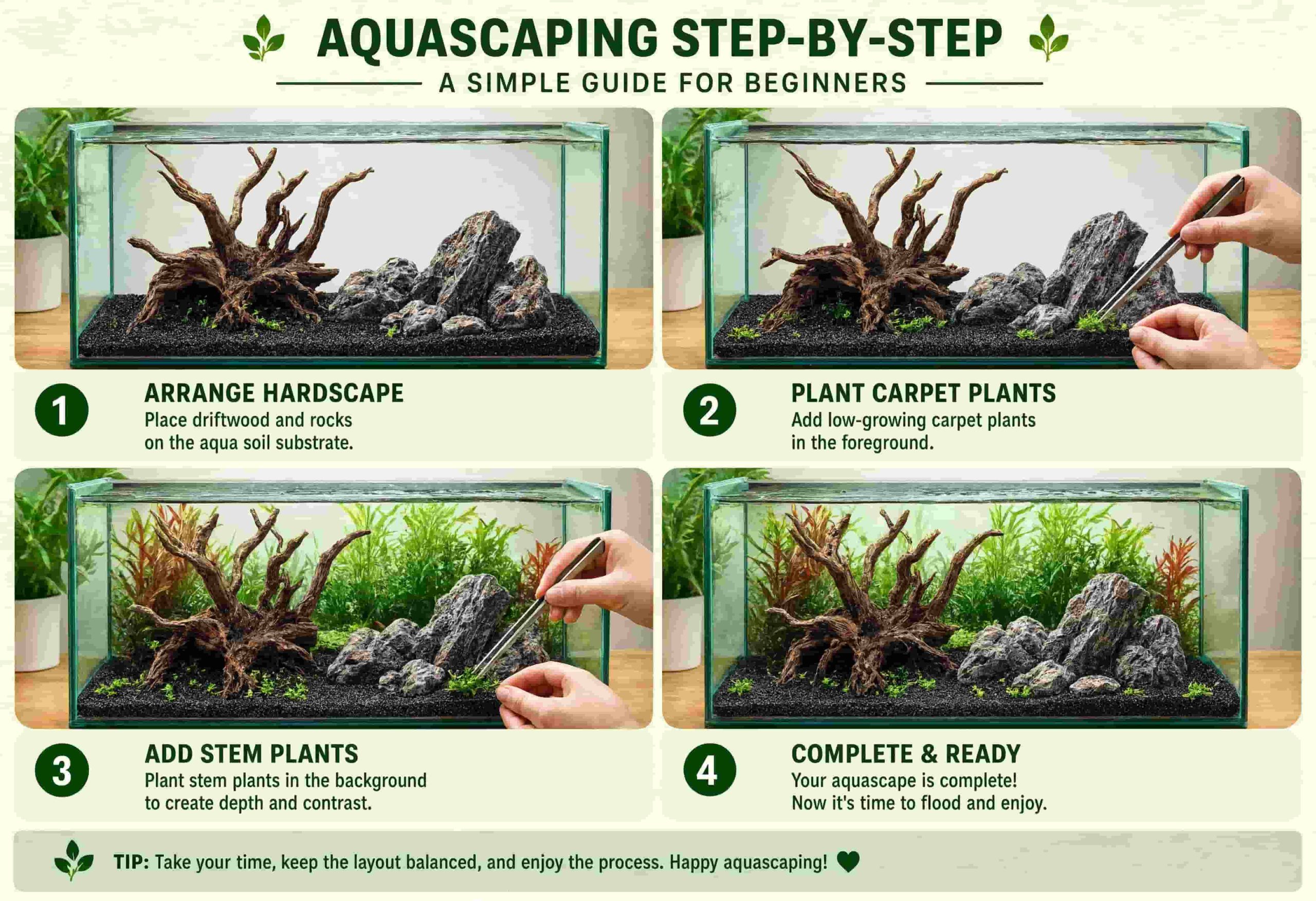
How do you set up your first aquascape step by step?
Setting up your first aquascape is exciting! Follow this process and you’ll be amazed at how quickly it comes together:
Step 1 – Plan your layout on paper. Sketch your scape before buying anything. Decide where your focal point, rocks, and wood will sit.
Step 2 – Wash and add your substrate. Layer nutrient-rich aqua soil at least 5–7 cm deep at the back, sloping slightly toward the front for depth.
Step 3 – Place your hardscape. Arrange rocks and driftwood following the golden ratio rule—your main rock should sit roughly one-third from the left or right, not dead center.
Step 4 – Add water slowly. Pour water gently onto a plate placed in the tank to avoid disturbing the substrate. Fill halfway.
Step 5 – Plant your aquatic plants. Use aquascaping tweezers to plant each stem or rhizome precisely. Start from the back and work forward.
Step 6 – Fill the tank completely. Top off with dechlorinated water and turn on your filter and lighting.
Step 7 – Cycle your tank. Allow the nitrogen cycle to complete (2–4 weeks) before adding fish or shrimp. Test your water parameters regularly.
How do you maintain an aquascape without it falling apart?
Consistent maintenance keeps your aquascape healthy and beautiful long-term. Neglect is the number one reason beginner tanks fail!
- Perform weekly 30% water changes to keep nutrients balanced and nitrates low.
- Trim plants regularly to prevent overgrowth and maintain the intended layout.
- Dose liquid fertilizer once or twice a week based on your plant load.
- Clean the filter every 4–6 weeks to maintain good water flow.
- Monitor lighting duration 8 hours per day is ideal for most planted tanks. Too much light causes algae.
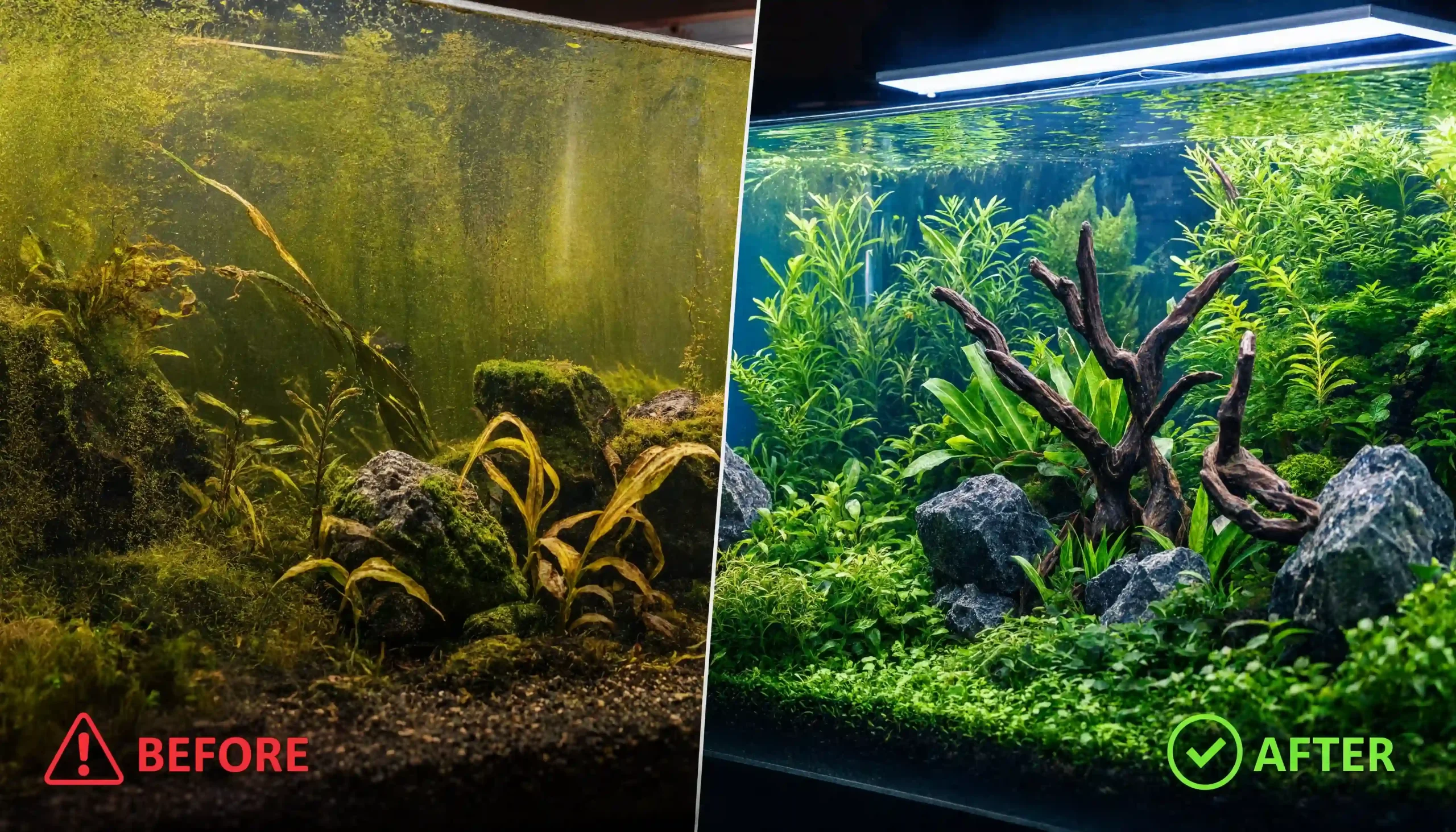
- Watch for early algae signs and address them immediately by adjusting light duration or nutrient levels.
Where can beginners in Bangalore buy quality aquascaping plants?
If you’re based in Bangalore and wondering where to get started, Aquacolours is your go-to destination. Aquacolours stocks a wide range of premium live aquatic plants, including their popular C30 Tissue Culture plant range sterile, lab-grown plants that arrive pest-free and healthy, perfect for beginner aquascapes.
From Bucephalandra Mini Blue and Staurogyne repens to Cryptocoryne Pink and Rotala Blood Red, Aquacolours offers plants suited to every layer of your layout. The store also stocks hardscape materials, shrimps, and full aquarium setups including nature aquariums and paludariums.
Aquacolours ships locally with fast delivery, and the team actively guides beginners through setup and maintenance just as many happy Google reviewers have experienced firsthand.
Ready to start? Browse the Aquacolours plant collection at aquacolours.com and build your first aquascape with confidence.
Frequently Asked Questions About Aquascaping for Beginners
How much does it cost to set up a beginner aquascape in India?
A basic beginner aquascape setup in India typically costs between ₹3,000 and ₹10,000, depending on tank size, lighting quality, and plant selection. Low-tech setups without CO₂ equipment are the most affordable starting point.
Can beginners keep fish in an aquascape right away?
No. Beginners should wait for the nitrogen cycle to complete before adding fish this usually takes 3–4 weeks after the tank is filled with water. Adding fish too soon can lead to ammonia spikes that harm both fish and plants.
Do aquascaping plants need CO₂ injection to survive?
Not necessarily. Many beginner-friendly plants, such as Anubias, Java Fern, and Cryptocoryne, grow well without CO₂ injection under moderate lighting with liquid fertilizer. CO₂ systems accelerate growth but are optional for low-tech setups.
What is the easiest aquascaping style for a complete beginner to recreate?
The Nature Aquarium style is the easiest and most forgiving aquascaping style for beginners. It allows creative freedom, accommodates a wide range of plants, and produces visually impressive results without strict structural rules.
Why should beginners use tissue culture plants instead of regular aquarium plants?
Tissue culture plants are sterile and grown in laboratory conditions, which means they arrive free of snails, algae spores, and harmful pathogens. This makes them significantly easier for beginners to manage and reduces the risk of introducing pests into a new tank.