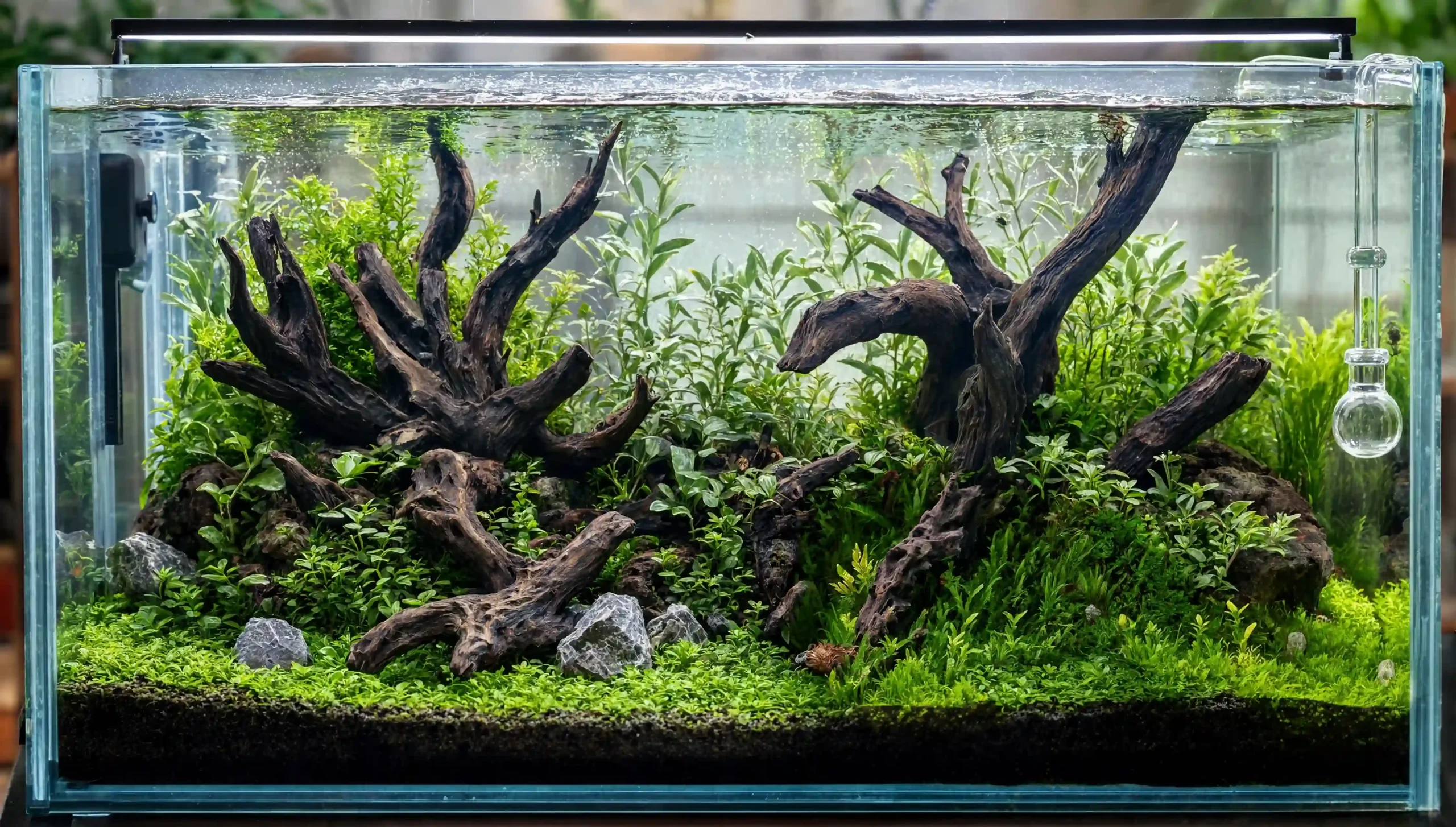
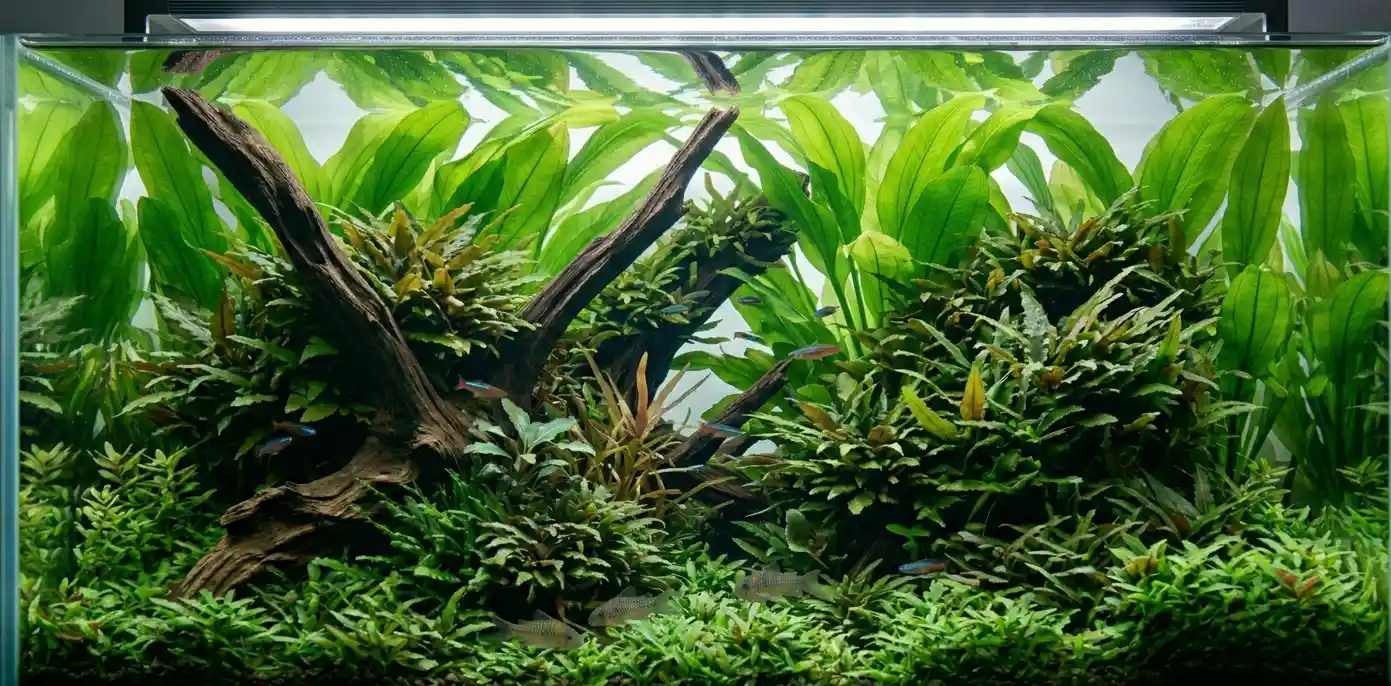
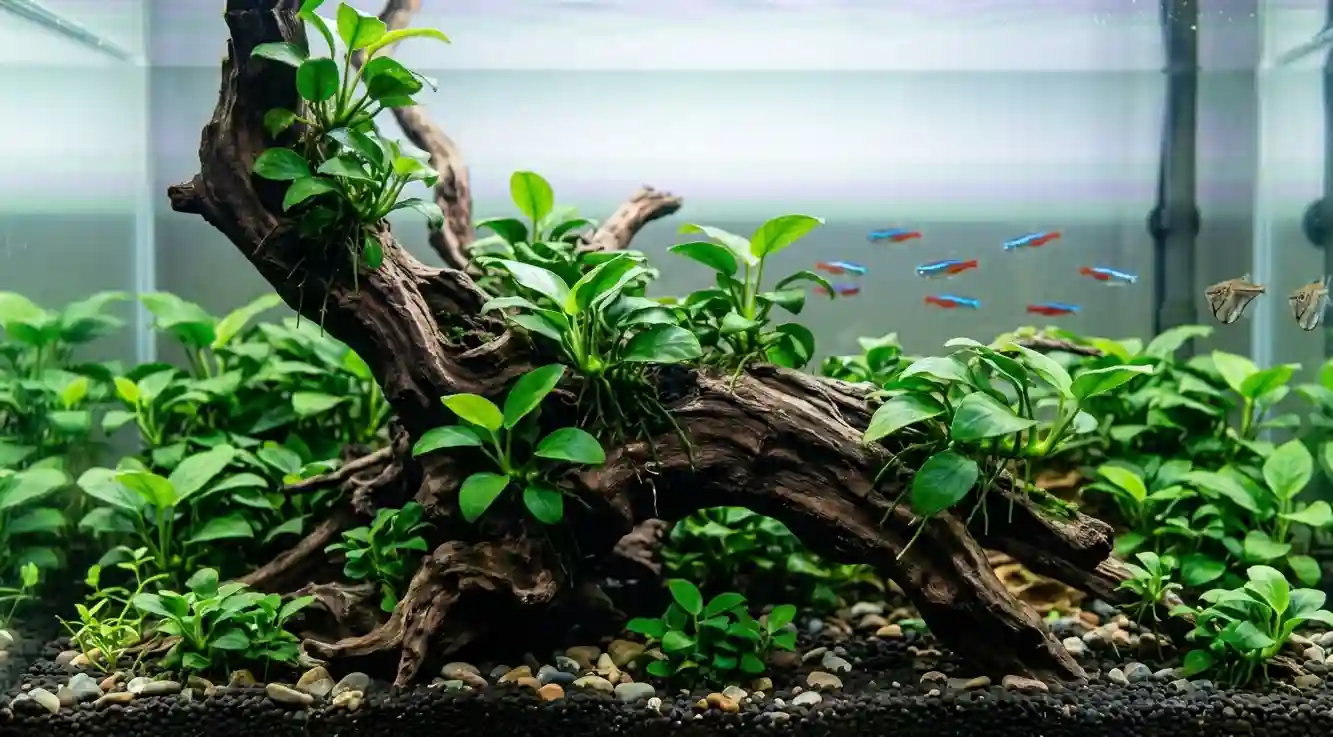
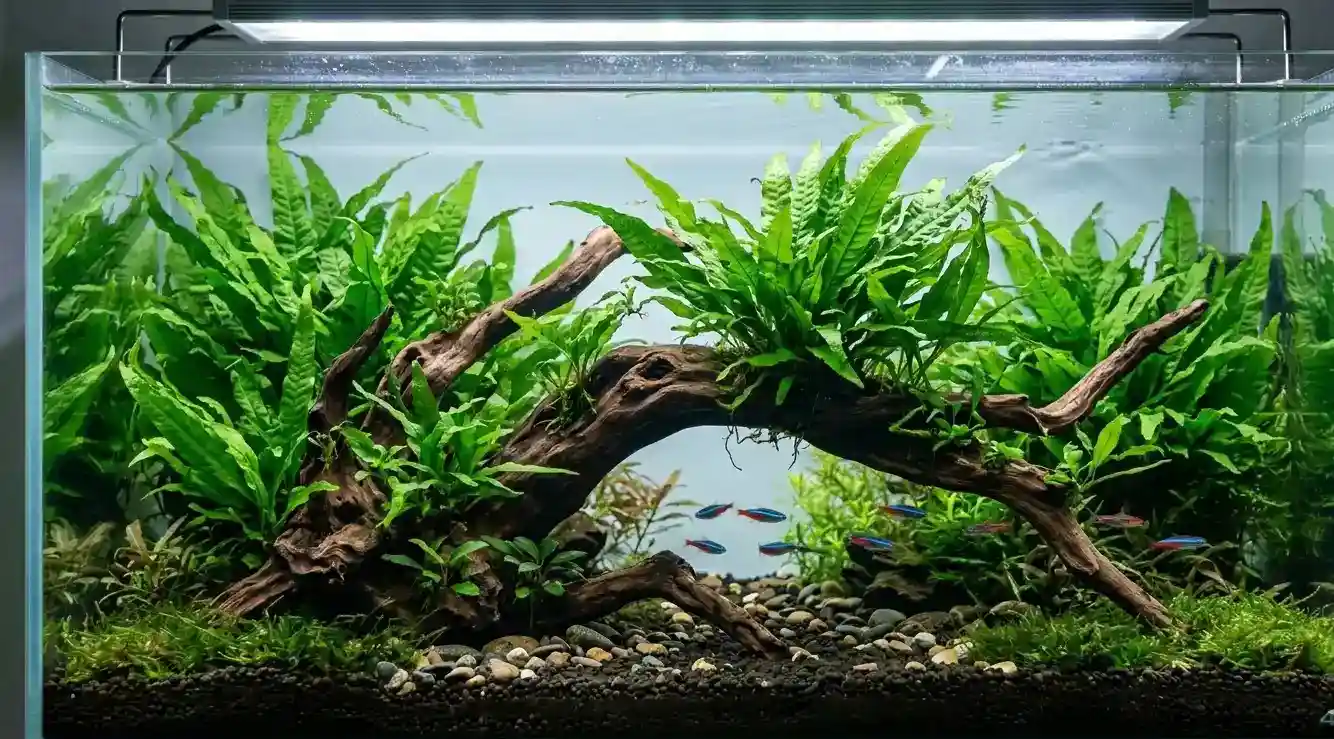
Dragon Stone (Ohko) is the better choice for most nature aquariums because it’s lightweight, pH-neutral, and easy to scape with. Seiryu Stone offers dramatic blue-grey looks but raises water hardness and pH, making it better for hardscape lovers who keep buffer-tolerant fish and shrimp.
Choosing the right rock can make or break your aquascape! If you’ve ever stood in front of two beautiful stones wondering which one belongs in your tank, you’re not alone. Dragon Stone and Seiryu Stone are two of the most popular hardscape materials in the nature aquarium hobby and both look stunning in photos.
But here’s the catch: they behave very differently once they’re underwater. One stays gentle on your water chemistry, while the other can quietly shift your pH and hardness over time. That difference matters a lot, especially if you’re keeping sensitive plants, shrimp, or soft-water fish.
In this guide, we’ll break down everything you need to know appearance, water chemistry, ease of use, cost, and which fish and plants suit each stone. By the end, you’ll know exactly which rock fits your aquascaping goals.
What Is Dragon Stone (Ohko Stone)?
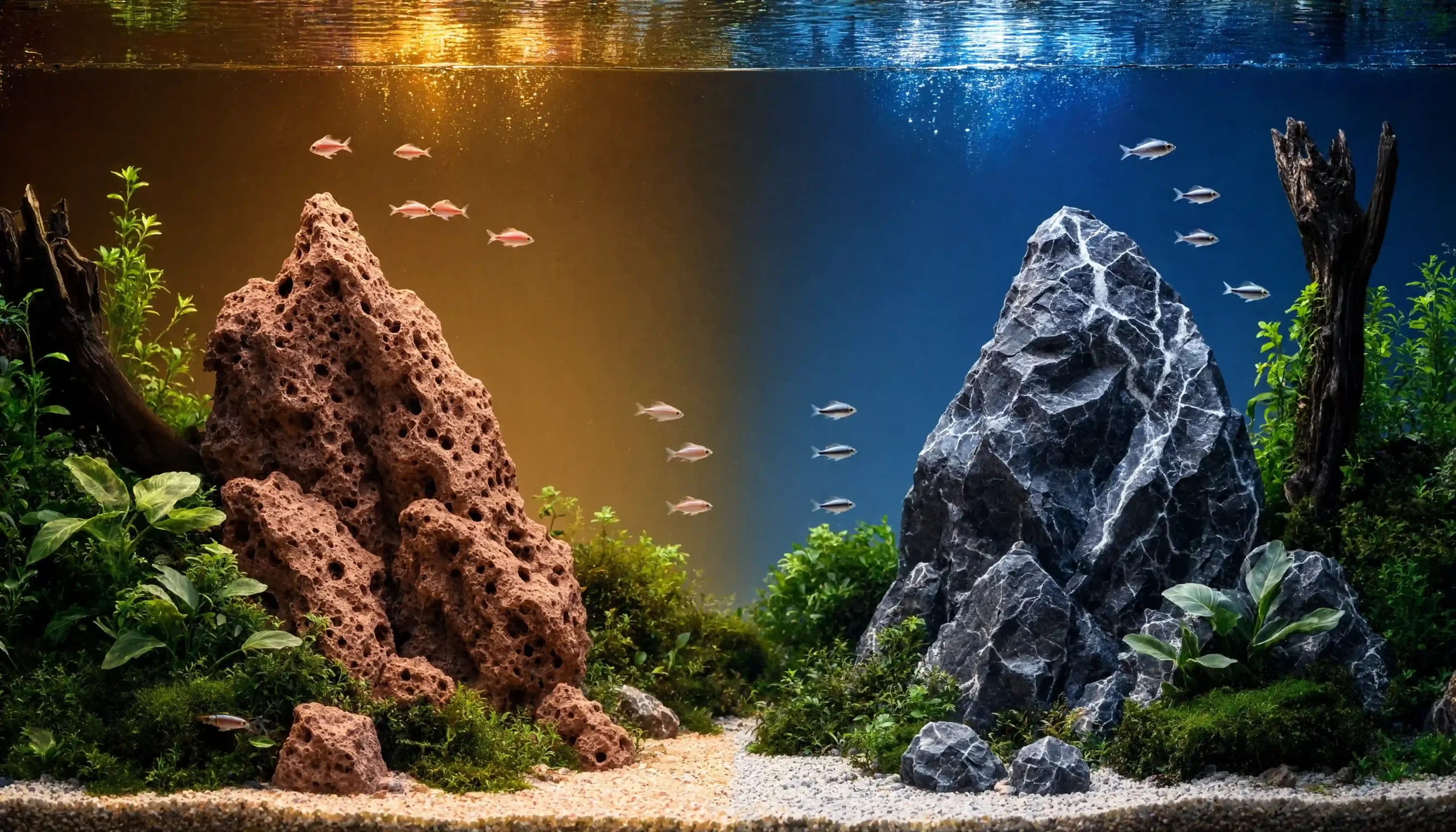
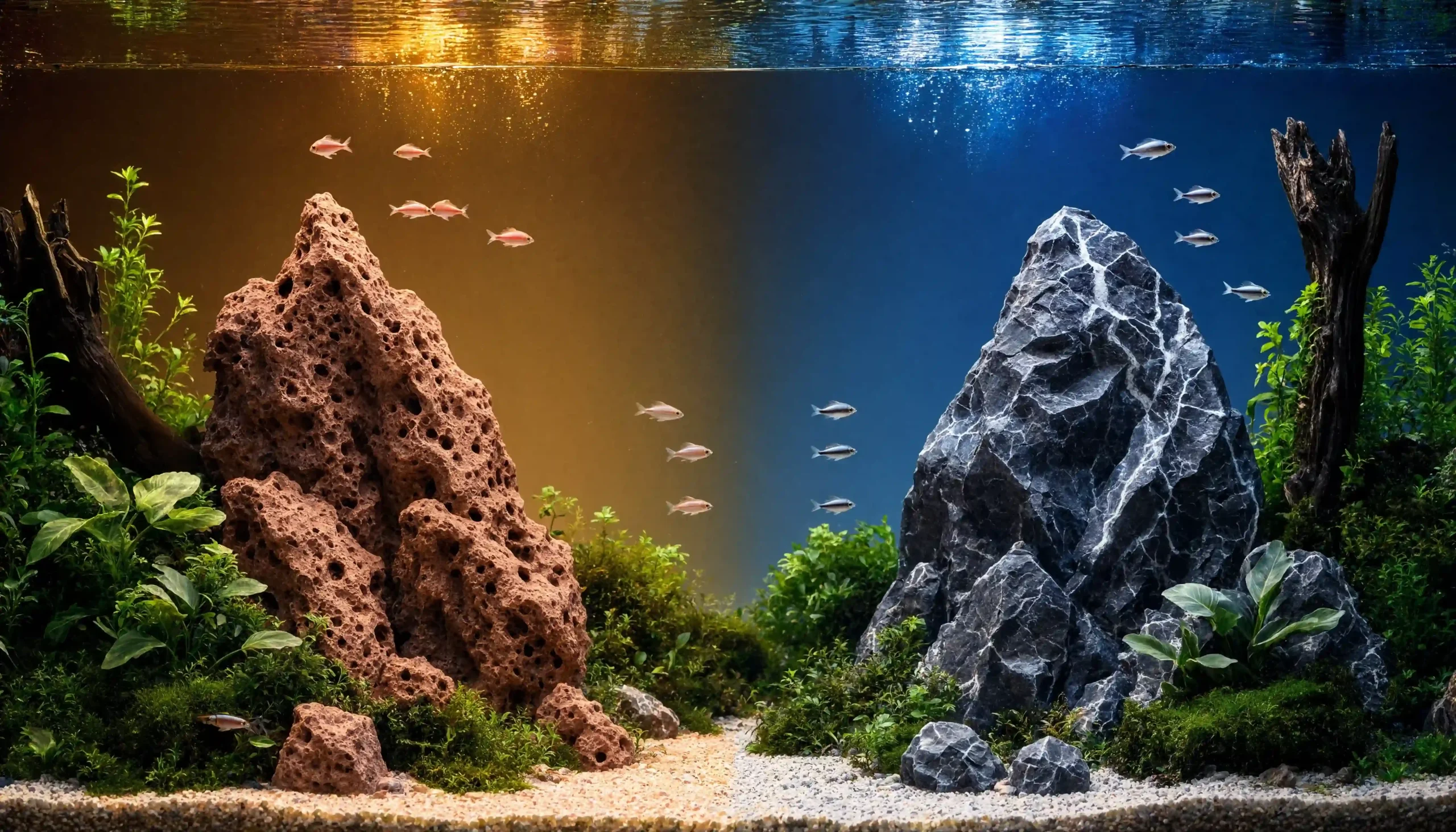
Dragon Stone, also called Ohko Stone, is a clay-based rock known for its rugged, cratered texture and warm brown tones. Its surface is full of holes, ridges, and cavities that give aquascapes a wild, mountainous feel.
Aquascapers love Dragon Stone because it’s lightweight and pH-neutral. It won’t significantly change your water chemistry, which makes it incredibly beginner-friendly. You can stack it, glue it, and shape it into dramatic ridges without worrying about throwing off your tank’s balance.
One thing to note: because it’s clay-based, Dragon Stone can be a little crumbly. Handle it gently when carving or splitting pieces.
What Is Seiryu Stone?
Seiryu Stone is a limestone-based rock prized for its striking blue-grey color and sharp, jagged edges. White calcite veins run through it, creating bold, dramatic lines that pop against green plants and dark substrate.
Visually, Seiryu Stone is hard to beat. It’s the rock you see in many award-winning Iwagumi layouts. But its beauty comes with a trade-off because it contains calcium carbonate, Seiryu Stone raises both pH and water hardness over time.
This isn’t a dealbreaker but it does mean you need to pick your livestock and plants carefully.
Dragon Stone vs Seiryu Stone: Side-by-Side Comparison
Here’s a quick comparison to help you see the key differences at a glance:
| Feature | Dragon Stone (Ohko) | Seiryu Stone |
| Appearance | Warm brown, cratered, textured | Blue-grey with white calcite veins |
| Material | Clay-based | Limestone-based |
| Effect on pH | Neutral (no major change) | Raises pH |
| Effect on hardness | Minimal | Increases hardness (GH/KH) |
| Weight | Lightweight | Heavier, denser |
| Best for | Beginners, soft-water setups | Experienced scapers, hard-water setups |
| Style | Natural, mountainous | Sharp, dramatic Iwagumi layouts |
| Maintenance | Low | Moderate (water monitoring needed) |
How Each Stone Affects Your Water Chemistry
This is where the two stones really part ways.
Dragon Stone is inert. It sits in your tank without leaching minerals, so your pH and hardness stay stable. If you’re running a planted tank with CO₂ injection, soft water is often ideal and Dragon Stone supports that perfectly.
Seiryu Stone is reactive. The calcium carbonate slowly dissolves, pushing your pH upward and increasing GH and KH. For aquascapers who keep fish that prefer harder, alkaline water, this can actually be a benefit. But for soft-water species, it creates an uphill battle.
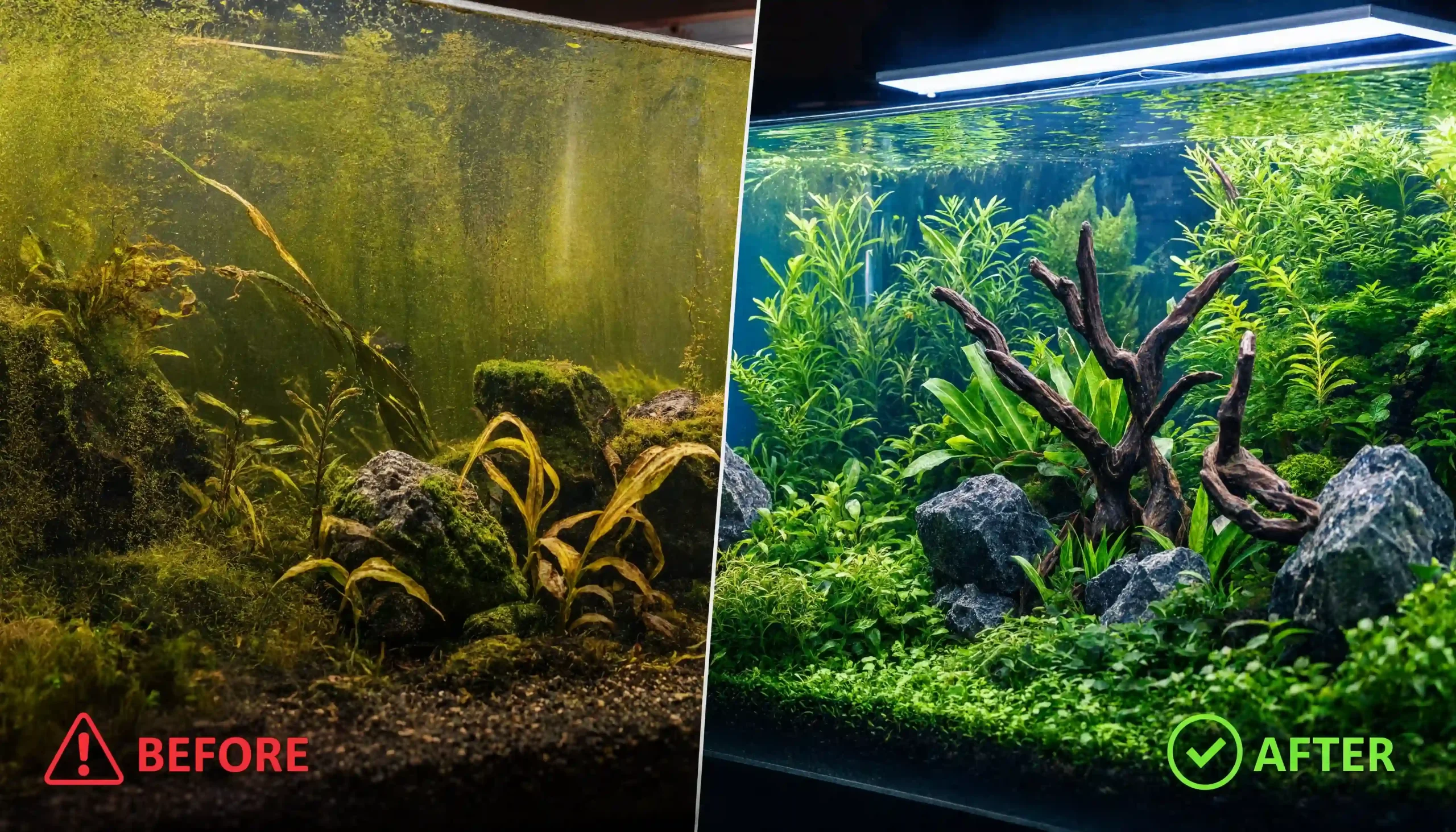
Quick tip: If you love the look of Seiryu Stone but want softer water, you can pair it with frequent water changes, RO water, and pH-buffering substrates to balance things out.
Which Stone Is Easier to Aquascape With?
For ease of use, Dragon Stone takes the win. Here’s why beginners reach for it first:
- Lightweight: Easy to lift, stack, and reposition without straining your tank glass.
- Forgiving chemistry: No need to constantly test and adjust your water.
- Sculptable: Its soft, porous texture lets you carve and shape custom layouts.
- Glue-friendly: It bonds well with cyanoacrylate glue for tall, stable structures.
Seiryu Stone, while gorgeous, demands more attention. Its weight makes large layouts trickier, and you’ll need to monitor water parameters regularly. That extra effort pays off in visual drama but it’s not the most relaxing choice for a first build.
Which Fish and Plants Suit Each Stone?
Matching livestock and plants to your stone is the secret to a thriving tank.
Best picks for Dragon Stone (soft, neutral water):
- Fish: Neon tetras, cardinal tetras, rasboras, bettas
- Shrimp: Caridina shrimp (which prefer soft, acidic water)
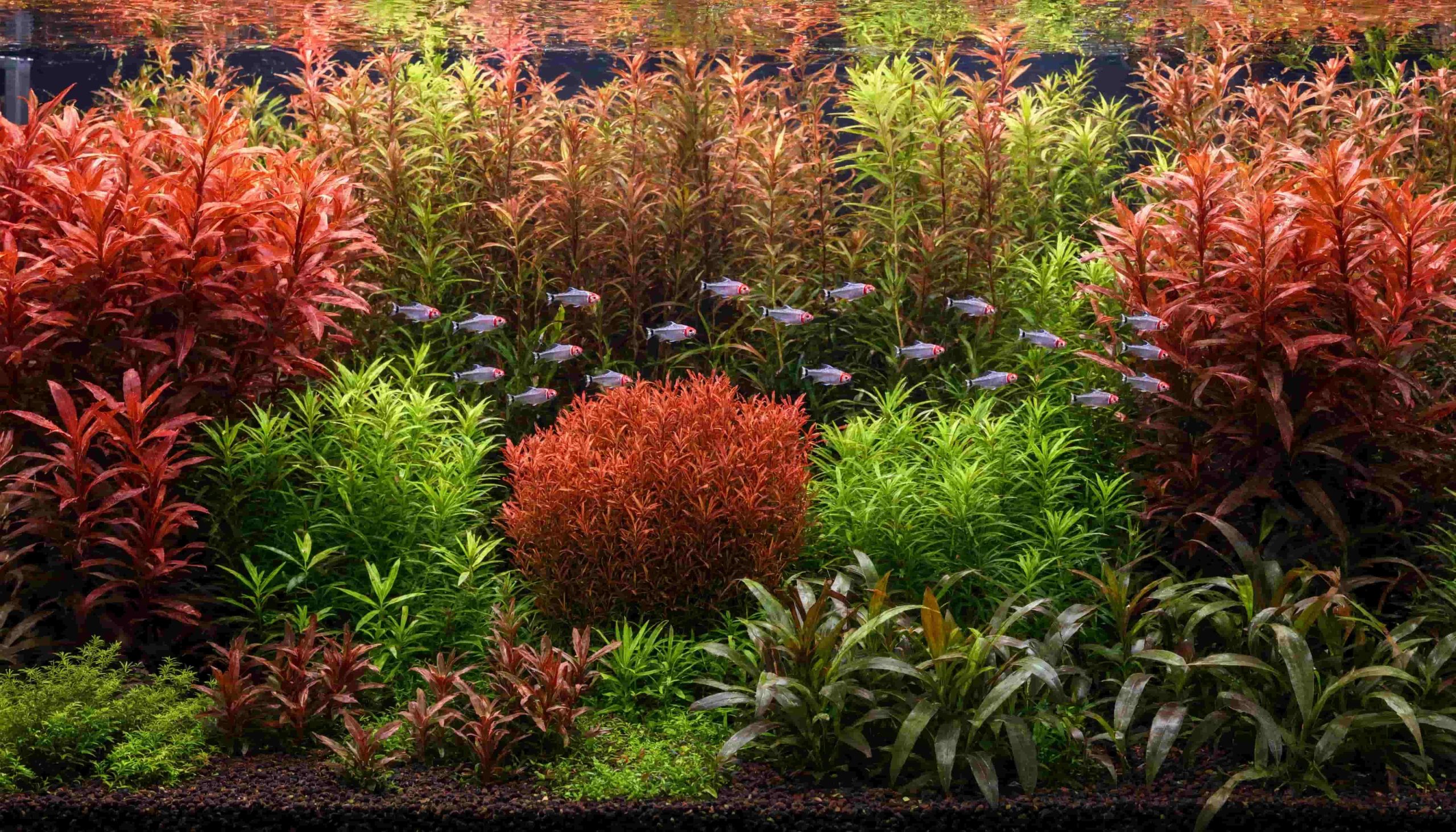
- Plants: Most carpet plants, Bucephalandra, Cryptocoryne, and stem plants thrive
Best picks for Seiryu Stone (harder, alkaline water):
- Fish: Livebearers like guppies, mollies, and platies; African cichlids
- Shrimp: Neocaridina shrimp (which tolerate harder water well)
- Plants: Hardy species like Anubias, Java Fern, and Vallisneria
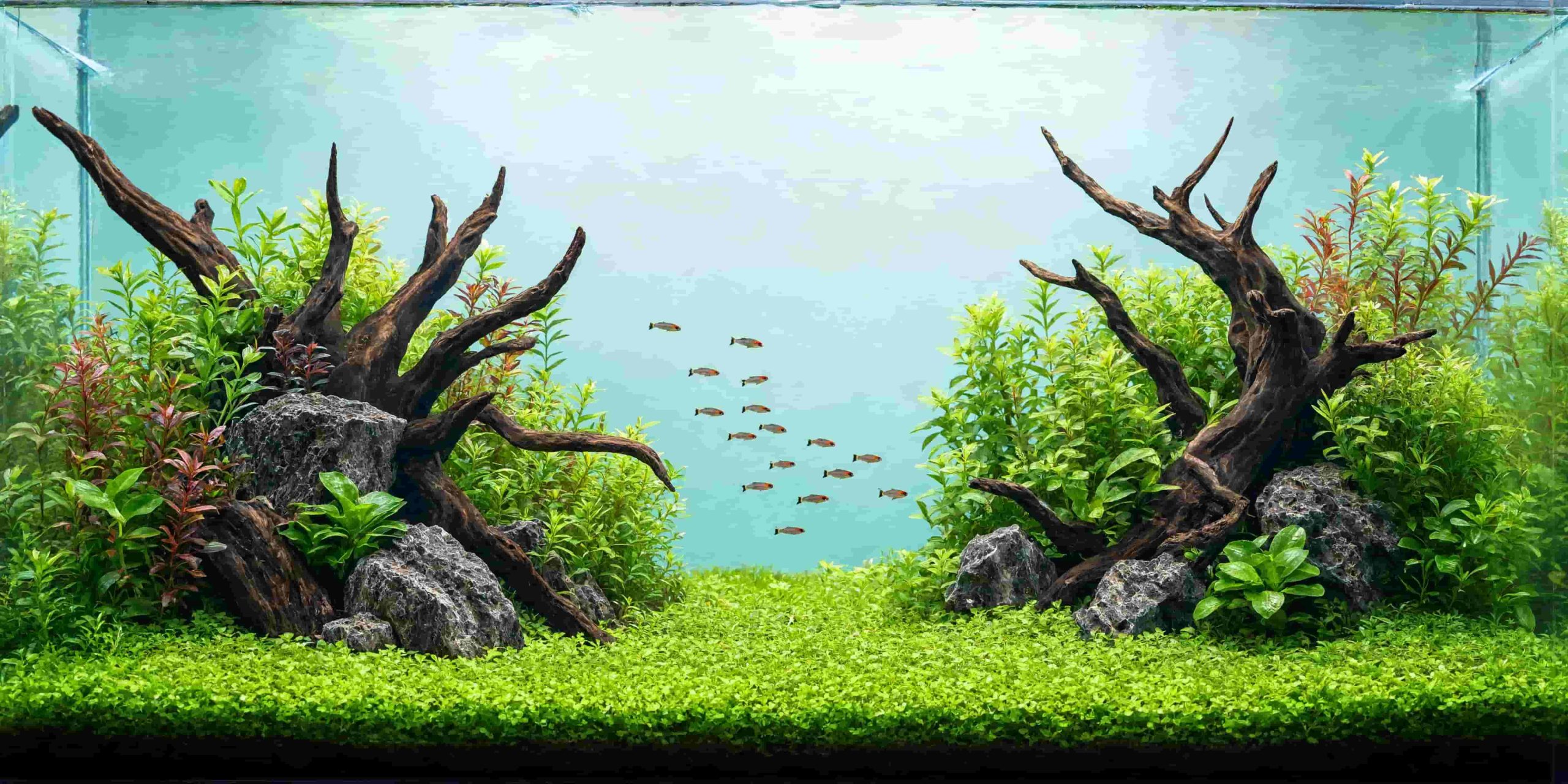
If you’re building a low-tech tank, Dragon Stone pairs beautifully with easy plants that grow without CO₂.
Cost and Availability
Both stones are widely available, but pricing can vary based on size and quality.
- Dragon Stone is usually moderately priced and easy to find at aquascaping stores. Its lightweight nature also keeps shipping costs lower.
- Seiryu Stone tends to cost a bit more, partly because of its popularity in competitive aquascaping and its heavier weight.
If you’re shopping locally, it’s always worth checking the quality in person. At AquaColours, you can explore premium hardscape rocks, live aquatic plants, and complete nature aquarium supplies perfect for bringing your dream scape to life!
So, Which Stone Should You Choose?
There’s no single “best” stone only the best stone for your tank.
Choose Dragon Stone if you’re a beginner, run a soft-water or high-tech planted tank, or want a low-maintenance, forgiving rock that’s easy to shape. It’s the safer, more flexible option for most aquascapers.
Choose Seiryu Stone if you love bold, dramatic layouts, keep hard-water fish or Neocaridina shrimp, and don’t mind monitoring your water chemistry. It rewards experienced hobbyists with unbeatable visual impact.
Both stones can create breathtaking aquascapes. The trick is matching the rock to your water, your livestock, and your skill level. Get that right, and you’ll have a tank that looks incredible and stays healthy for years.
Ready to start scaping? Browse premium stones, live plants, and aquarium essentials at AquaColours and build the nature aquarium you’ve always wanted!
Frequently Asked Questions
Does Seiryu Stone really raise pH and hardness?
Yes. Seiryu Stone is limestone-based and contains calcium carbonate, which slowly dissolves in water. This raises both pH and general hardness (GH/KH) over time. You can manage this with RO water, regular water changes, and buffering substrates.
Is Dragon Stone safe for shrimp?
Absolutely. Dragon Stone is pH-neutral and inert, making it ideal for sensitive Caridina shrimp that prefer soft, slightly acidic water. It’s one of the most shrimp-friendly hardscape options available.
Can I use Dragon Stone and Seiryu Stone together?
You can, but proceed with caution. Combining them means the Seiryu Stone will still raise your water hardness and pH. If you mix the two, monitor your parameters closely and choose livestock that tolerates harder water.
Which stone is better for beginners?
Dragon Stone is the better choice for beginners. It’s lightweight, easy to shape, and won’t disrupt your water chemistry, so you can focus on learning aquascaping basics without worrying about constant water testing.
Do I need CO₂ with these stones?
Not necessarily. Dragon Stone works well in both low-tech and high-tech setups. Seiryu Stone also doesn’t require CO₂, though many aquascapers add it to boost plant growth in demanding layouts.