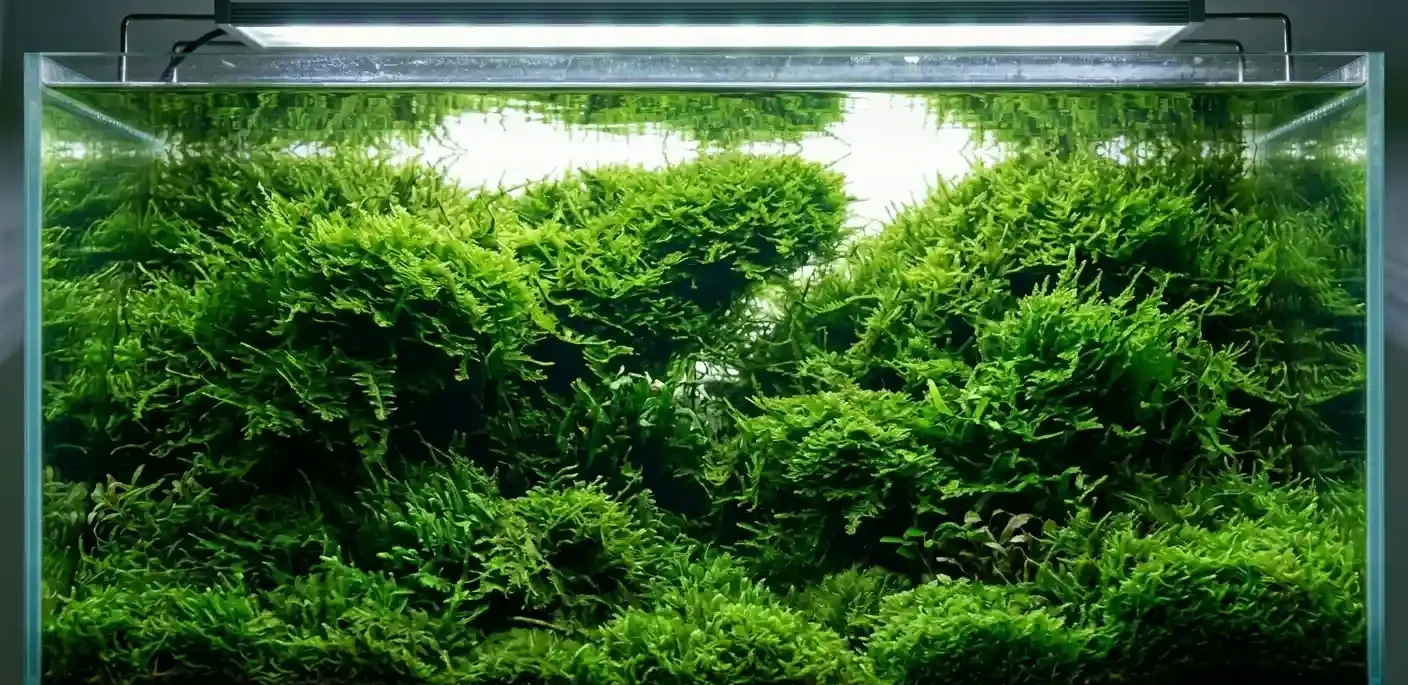
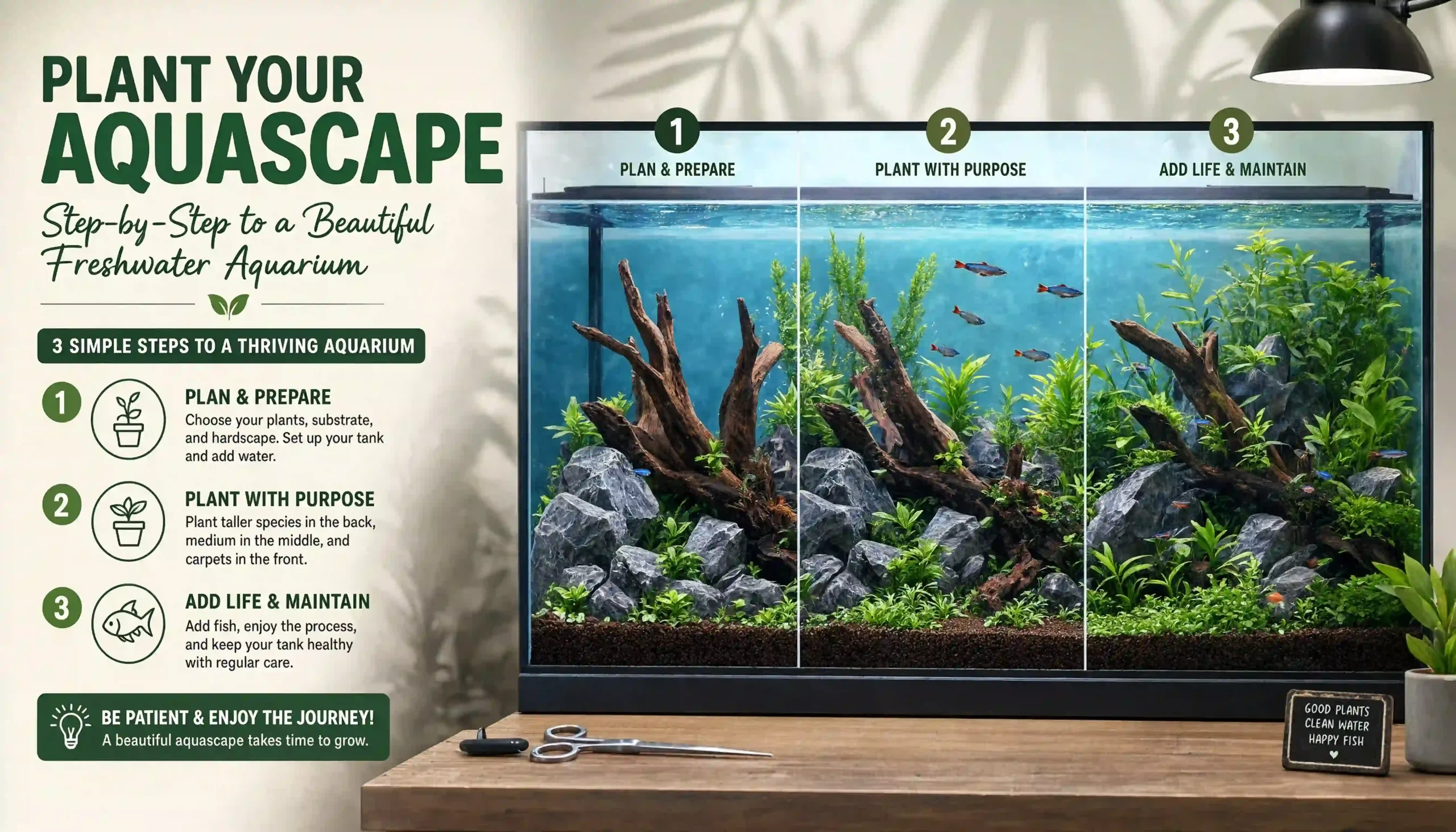
To create your first aquascape, start by planning your design and adding a nutrient-rich aquarium soil. Next, position your hardscape materials like rocks and driftwood. Plant sterile, lab-grown aquatic plants, carefully fill the tank with water, cycle the aquarium for four weeks, and finally introduce livestock like shrimp or tetras.
Have you ever stared at a breathtaking underwater garden and wondered how to build one yourself? I remember setting up my very first planted tank. I was completely mesmerized by the vibrant green leaves swaying gently in the current, but I honestly had no idea where to begin! Building a living piece of art right in your living room is incredibly rewarding, and it is much easier than it looks.
Aquascaping combines the peaceful nature of keeping an aquarium with the creative joy of gardening. You get to arrange rocks, wood, and beautiful aquatic plants to create a miniature ecosystem. When I first started, I made plenty of mistakes, but you don’t have to!
By following a clear, structured approach, anyone can build a thriving aquatic environment. I will walk you through the entire process from an empty glass box to a lush, algae-free paradise. Grab your aquascaping tweezers, and let’s get started on your vibrant new underwater world!
What is the best way to plan your aquascape design?
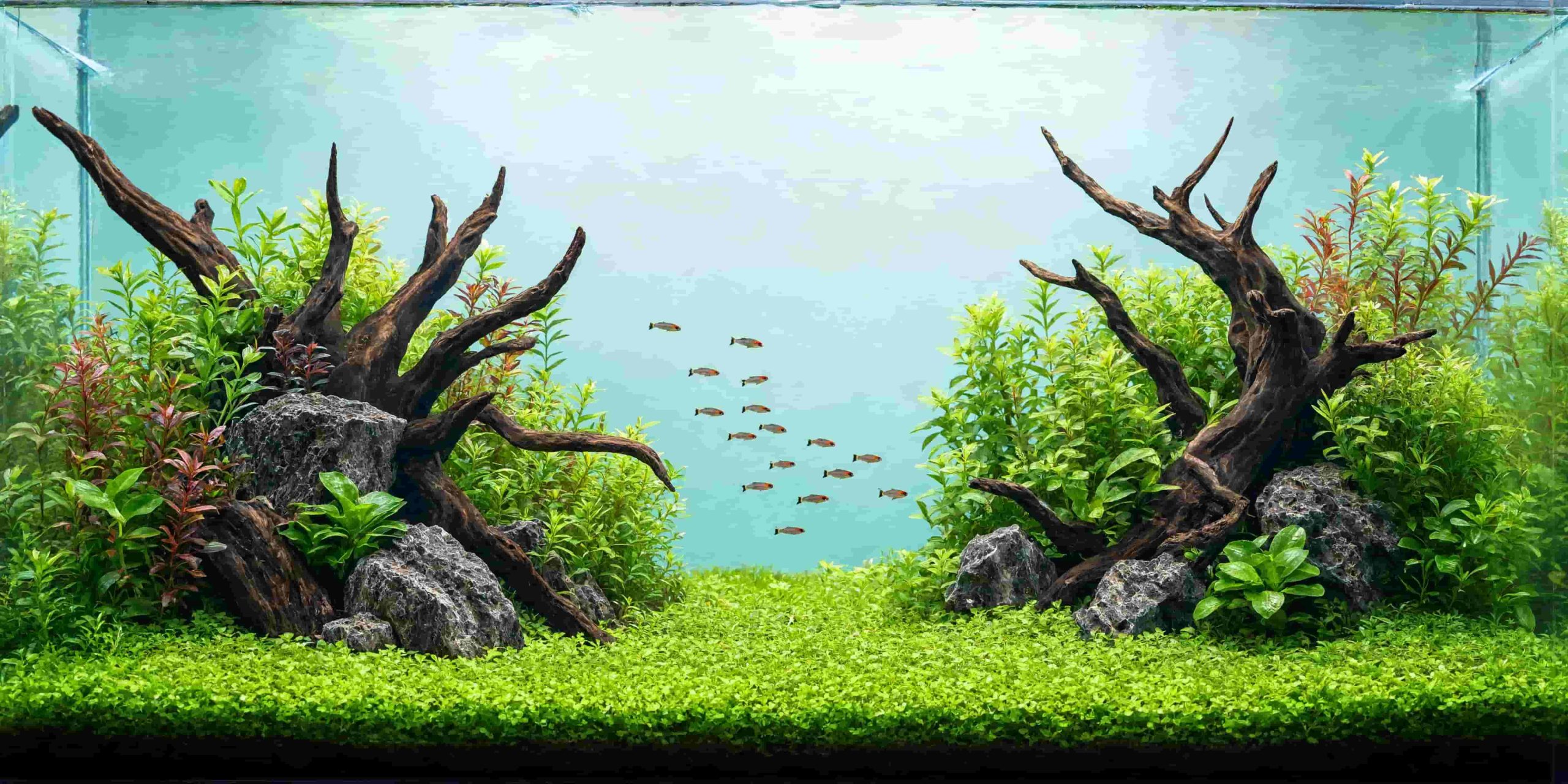
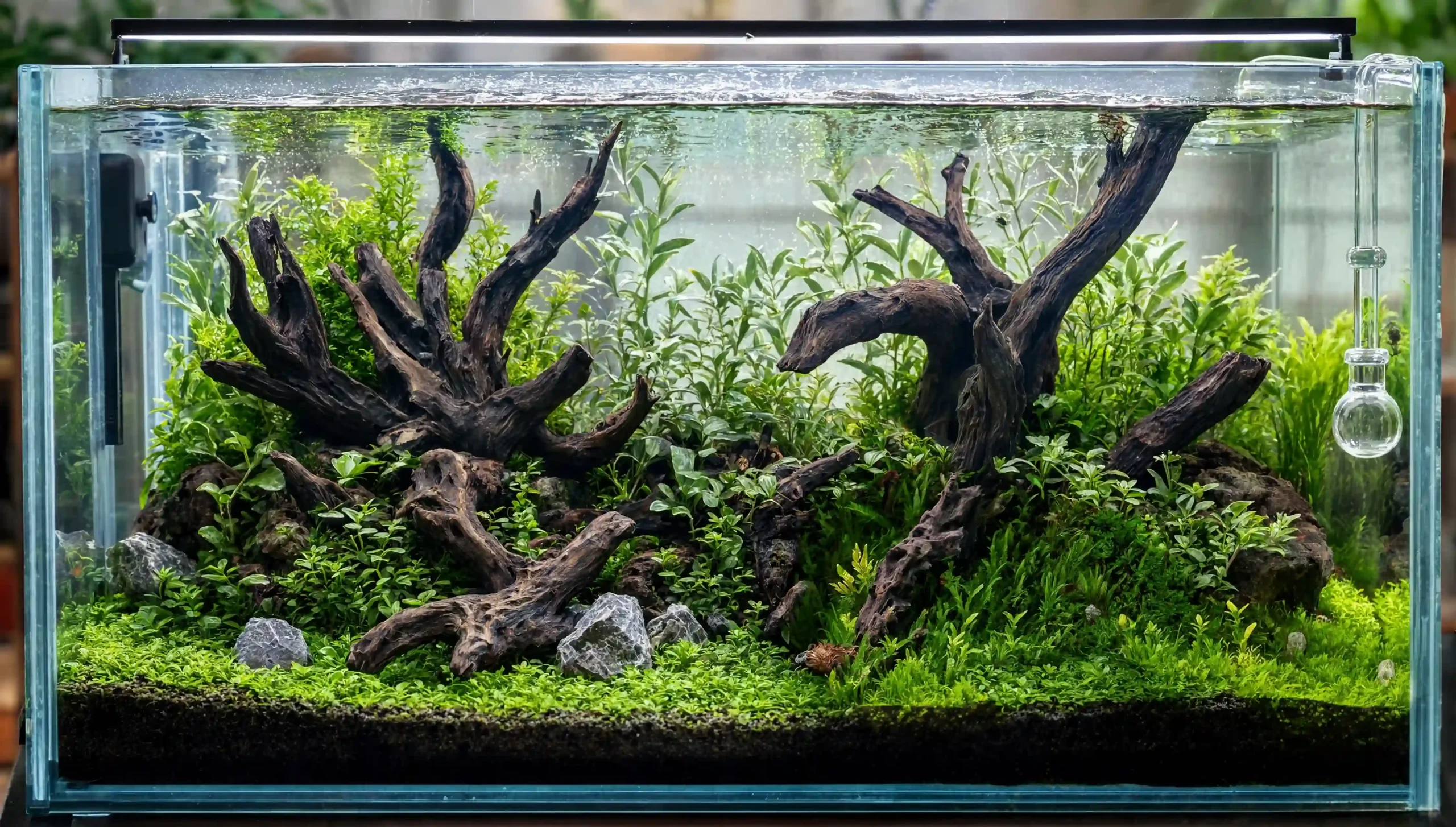
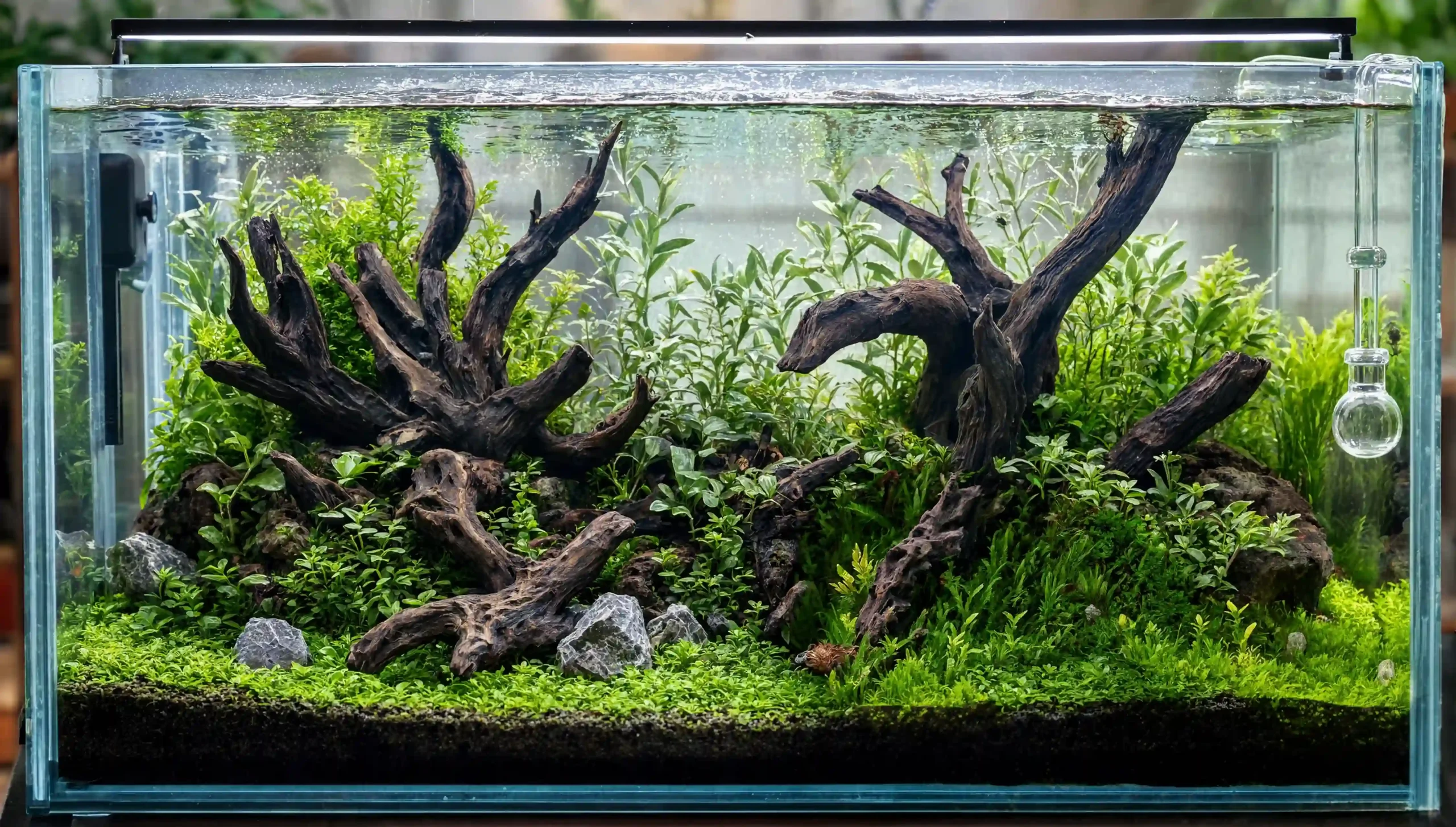
Every great aquascape starts with a solid plan. Before you buy a single rock or plant, you need to decide on a visual style. The “Nature Aquarium” style is incredibly popular and uses natural wood and stones to mimic real-world landscapes like forests or mountains.
Sketch your ideas on a piece of paper. Decide where you want the highest points of your layout to be and where you want open swimming space for your fish. Placing your focal point slightly off-center creates a much more natural and pleasing look for the human eye!
How do you choose and add the right substrate?
Your plants need food to grow, and that starts at the bottom of your tank! A nutrient-rich aquarium soil is absolutely essential for a healthy planted tank.
Pour the aqua soil into your empty aquarium. You want to create a slope, making the soil shallow at the front of the tank and significantly deeper at the back. I recommend a depth of about one inch at the front glass, sloping up to three or four inches at the rear. This simple trick gives your aquascape incredible depth and makes the tank look much larger than it actually is!
How should you arrange rocks and driftwood?
This step is called the “hardscape,” and it forms the permanent skeleton of your design. Take your chosen stones and driftwood and begin placing them into the substrate.
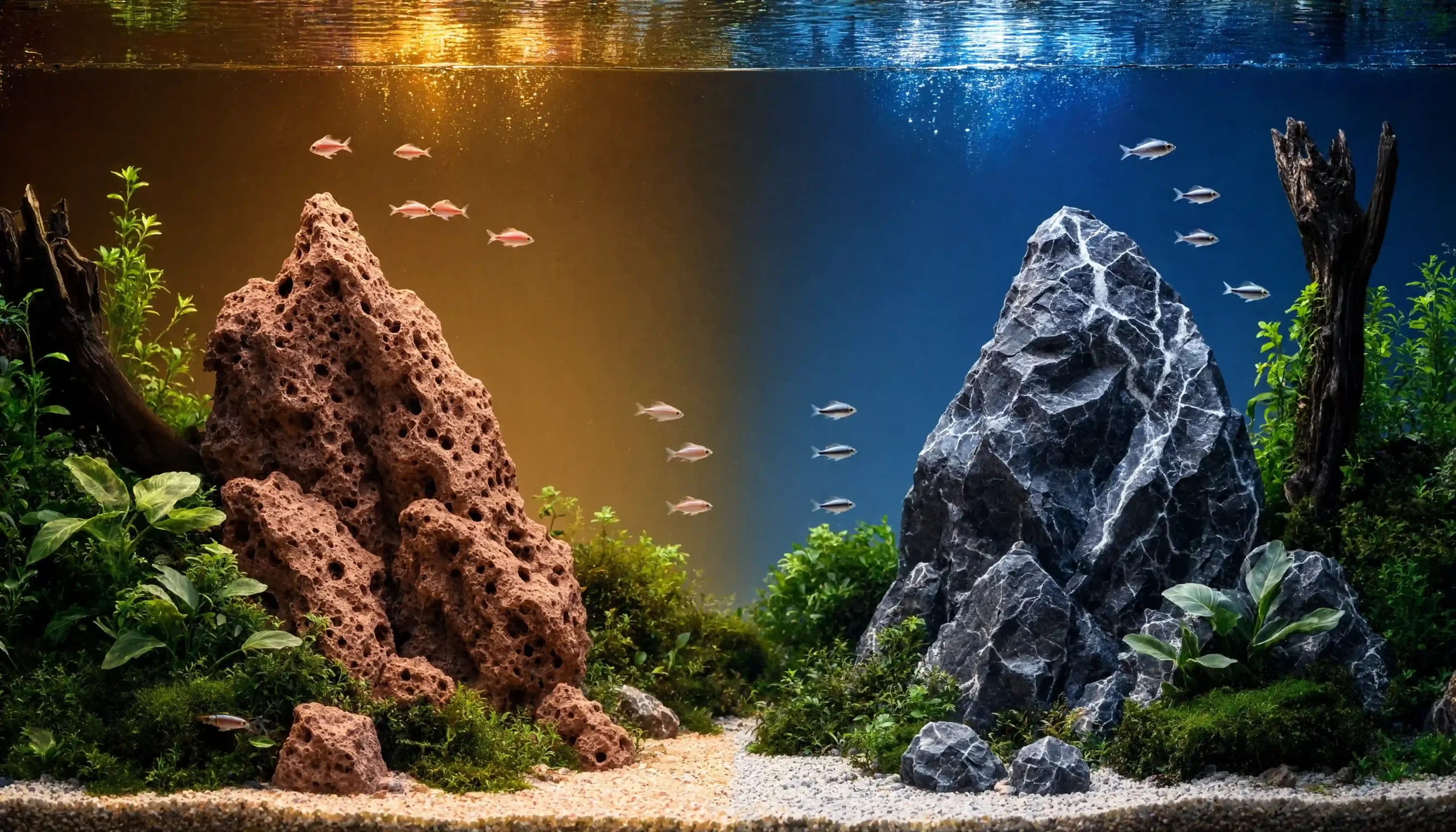
Push the rocks firmly into the soil so they look like natural formations emerging from the ground. Try grouping stones in odd numbers, like threes or fives, because this looks much more organic. Play around with different angles until you find a layout that makes you smile. Take your time here! You want the hardscape to look stunning even before you add a single leaf.
Which live aquatic plants are best for beginners?
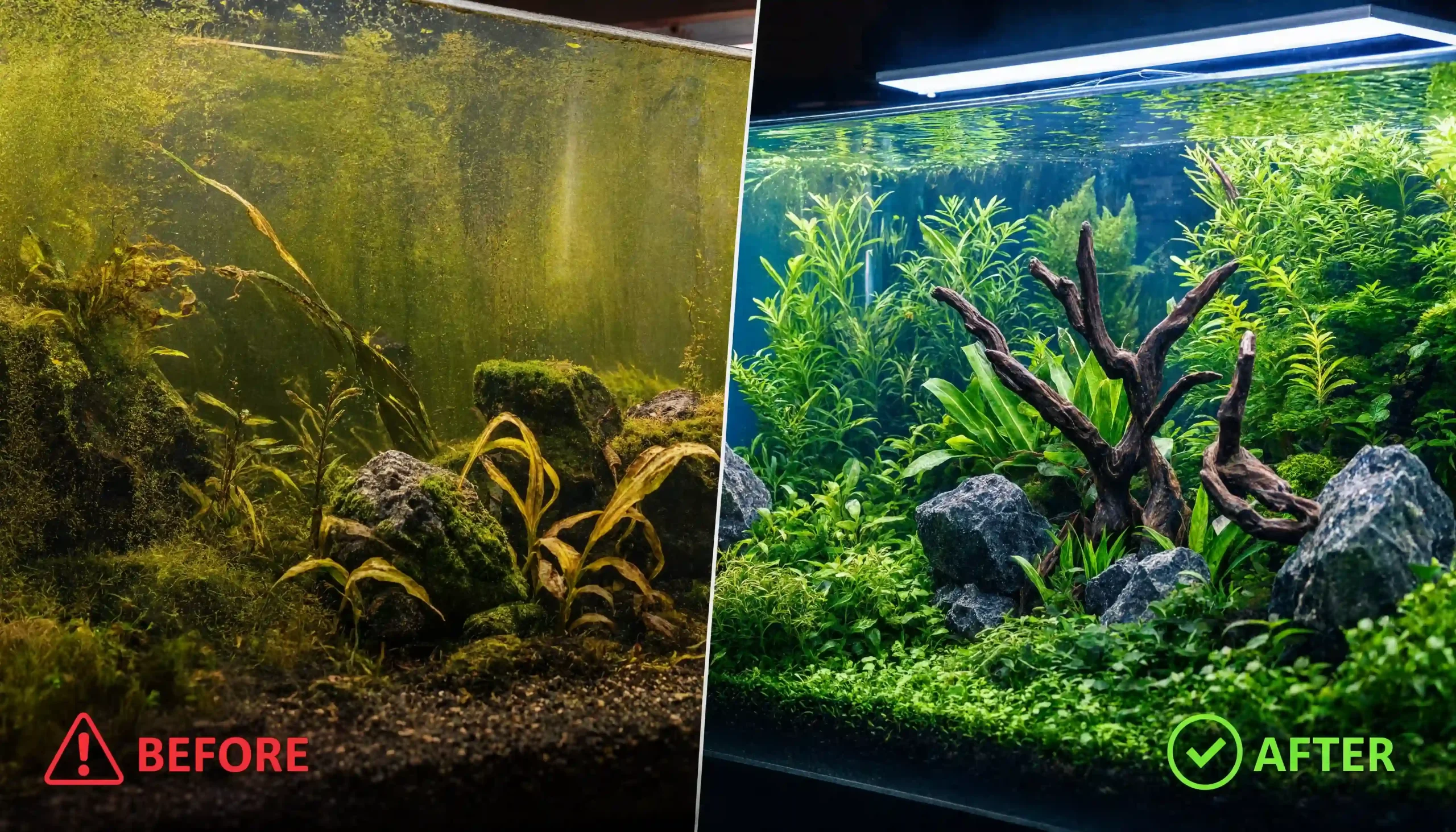
Choosing the right plants is my favorite part! You want plants that are healthy, vibrant, and pest-free. Choose C30 tissue culture plants if avoiding algae and pests matters more than immediate plant size. These sterile, lab-grown plants from Aquacolours are guaranteed to be free of snails and diseases.
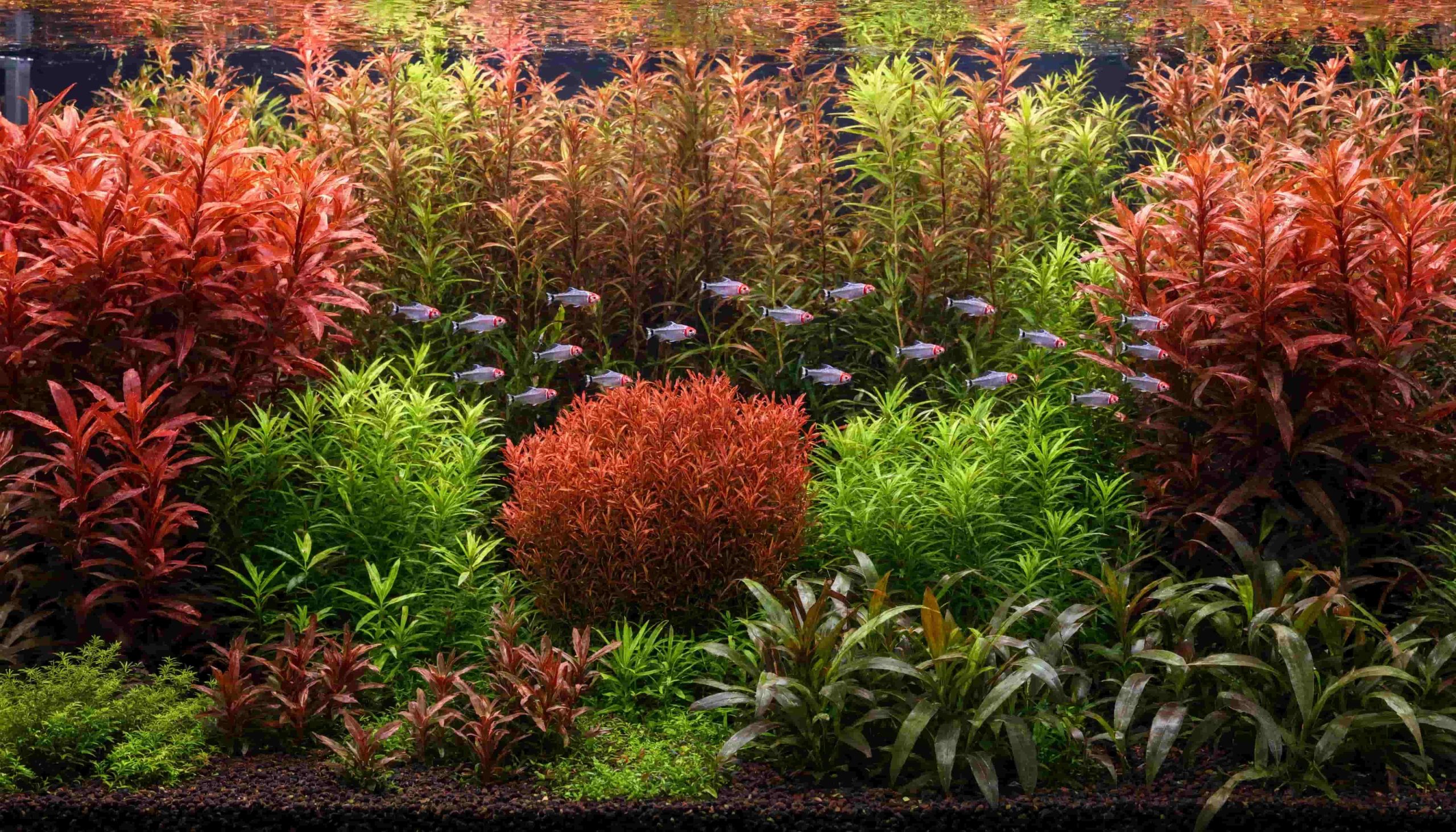
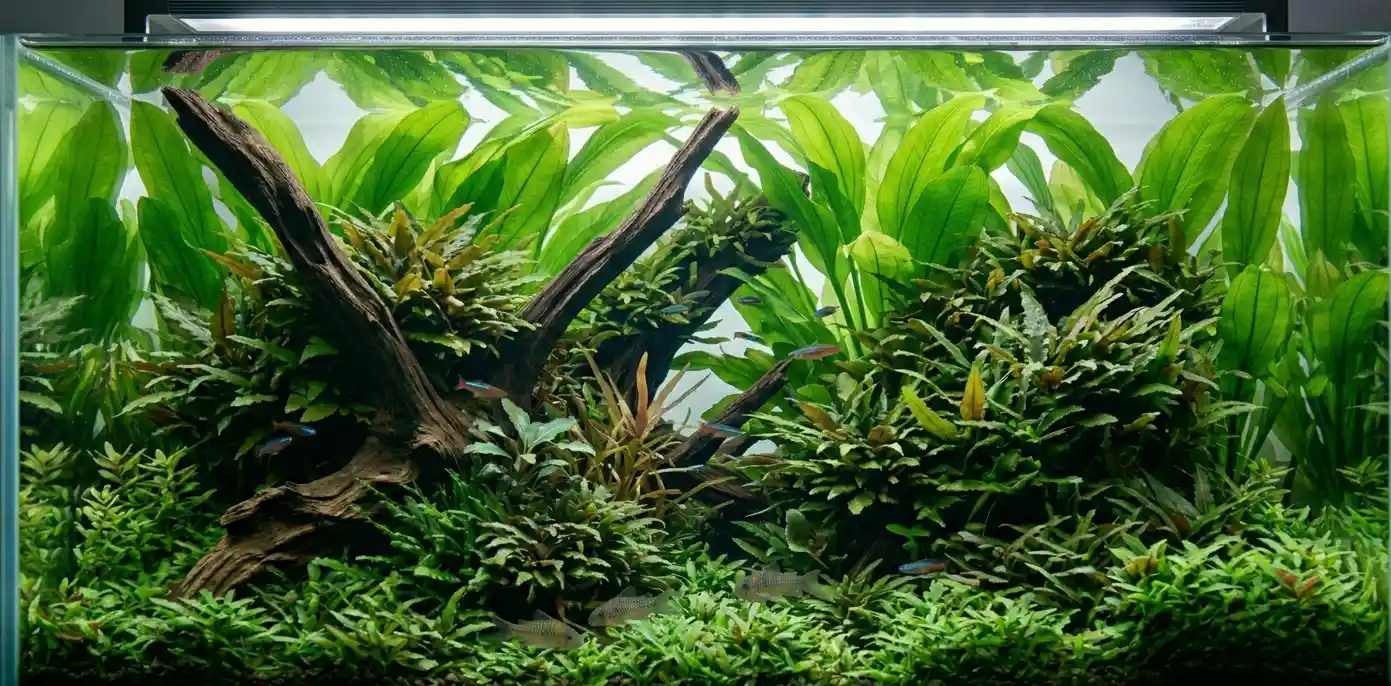
For the front of your tank, a premium foreground plant like Staurogyne repens or Cryptocoryne parva works beautifully. In the middle, try adding a splash of color with a Bucephalandra Mini Blue. Finally, use tall, fast-growing plants like Rotala Blood Red in the background to hide your aquarium equipment and provide a gorgeous crimson backdrop. Use long aquascaping tweezers to gently push the plant roots deep into your soil.
What is the safest way to fill your aquascape with water?
Adding water seems simple, but rushing this step can completely ruin your beautiful layout! If you pour water directly onto the soil, it will create a massive muddy cloud and uproot all your brand-new plants.
To prevent this, place a small plastic bag or a shallow bowl over the substrate. Slowly pour room-temperature water directly onto the plastic. The water will gently overflow into the tank without disturbing your careful planting. Fill the tank all the way to the top, turn on your aquarium filter, and switch on your LED light!
Why must you cycle your aquarium before adding fish?
Patience is incredibly important right now! You cannot add fish on the first day. Your new aquarium needs to build up a colony of beneficial bacteria in the filter to process fish waste. This biological process is called “cycling.”
According to standard aquatic science, a new aquarium typically takes four to six weeks to fully cycle. During this time, you should run your filter constantly and keep your lights on for about six to eight hours a day. Test your water weekly using a liquid test kit. Once your ammonia and nitrite levels read absolute zero, your tank is finally safe for animals!
What livestock should you add to a new aquascape?
Now comes the moment you have been waiting for! Adding life to your tank brings the whole ecosystem together. You want to choose small, peaceful species that will not uproot your delicate plants.
Dwarf shrimp, like Cherry Shrimp or Amano Shrimp, are fantastic because they actively eat algae and keep your plants clean. Small schooling fish, such as Endlers or Neon Tetras, provide a wonderful flash of movement. Alternatively, a single, brightly colored Betta fish makes a spectacular centerpiece. Introduce your new pets slowly by floating their bag in the tank water for twenty minutes to equalize the temperature.
Start building your underwater garden today
Creating an aquascape is an amazing journey that teaches you about biology, design, and patience. Seeing your plants grow and your fish thrive in a habitat you built with your own hands is an unmatched feeling!
Don’t wait to start your project. Map out your dream design, gather your hardscape, and order your premium live aquatic plants. Check out the incredible selection of lab-grown C30 tissue culture plants at Aquacolours to guarantee a vibrant, algae-free start to your new hobby!
Frequently Asked Questions
How much does it cost to start aquascaping?
A basic 10-gallon aquascape setup typically costs between $100 and $250. This budget includes the glass tank, a filter, an LED light, nutrient-rich soil, hardscape materials, and live aquatic plants. Costs will increase if you choose premium components or advanced CO2 injection systems.
How long does an aquascape take to grow in?
A new aquascape generally takes three to six months to fully mature and fill out. Fast-growing stem plants may reach the top of the tank in just four weeks, while carpet plants like Utricularia graminifolia can take a few months to spread completely across the foreground.
Do you need CO2 for a planted aquarium?
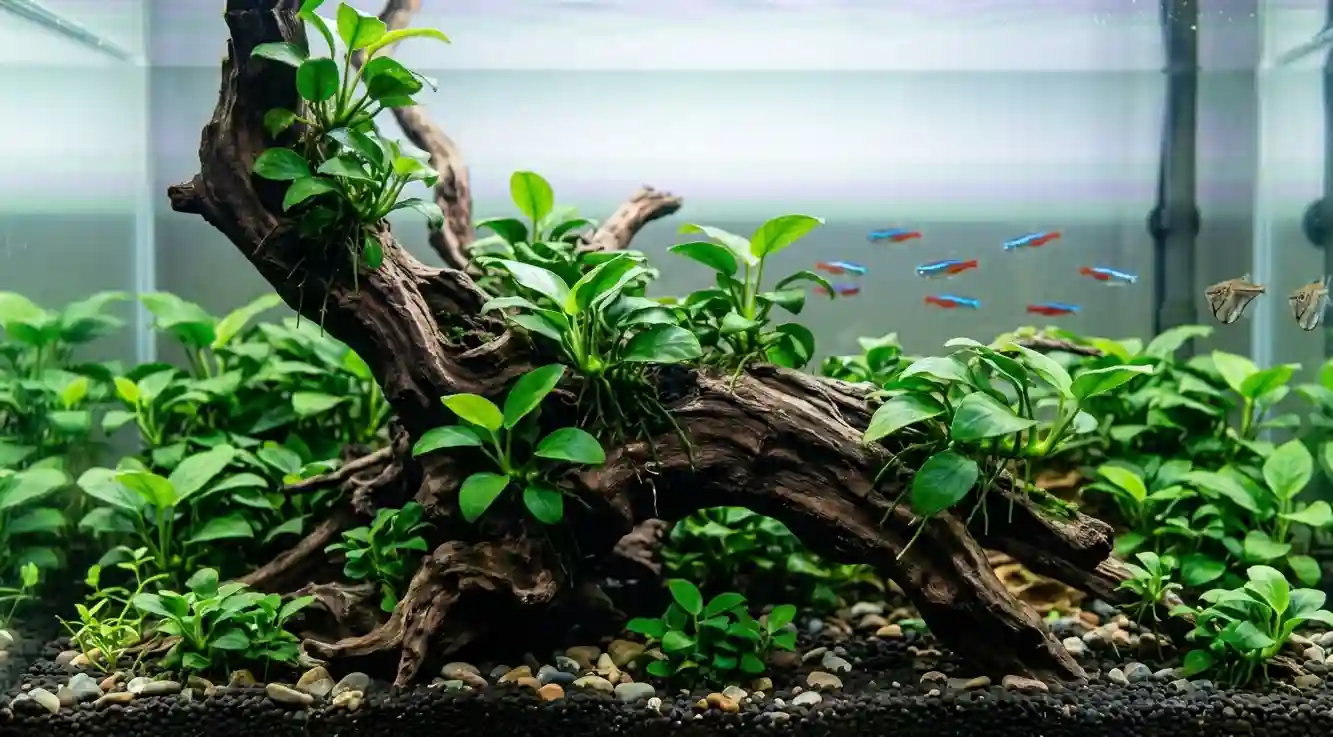
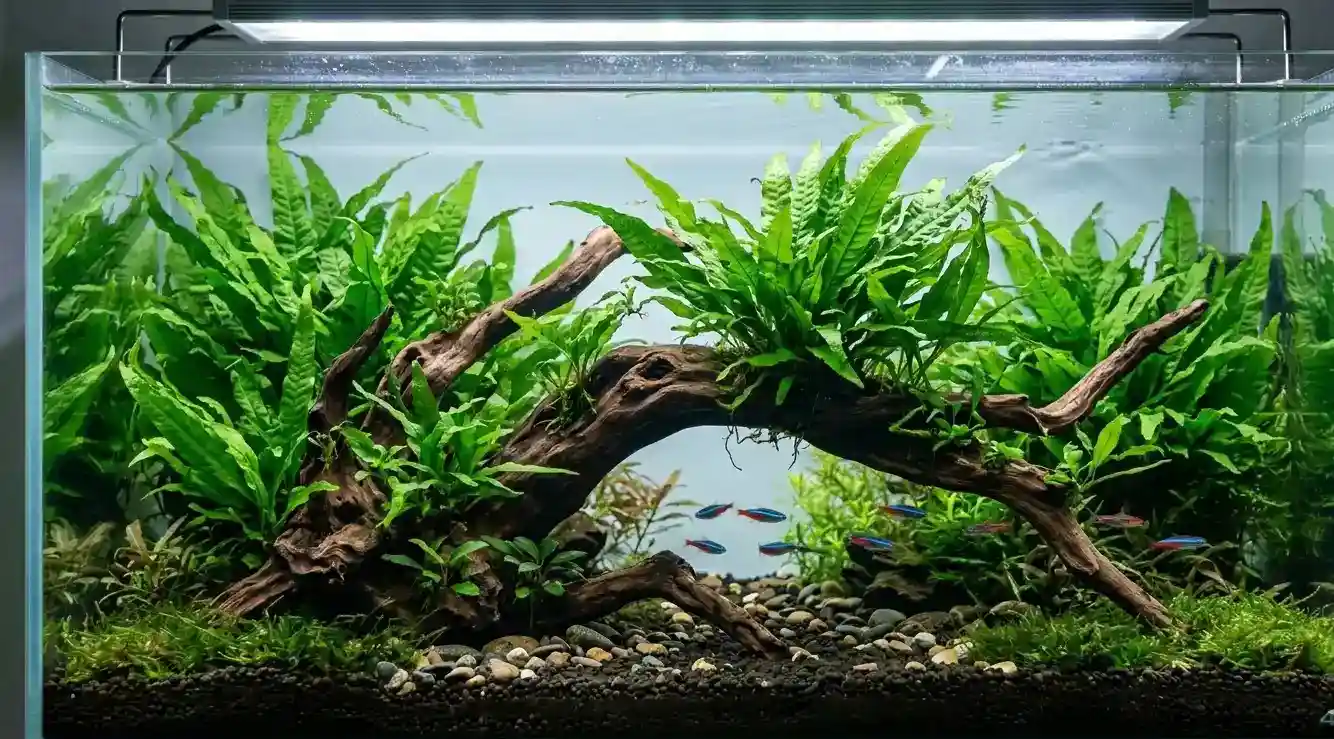
No, you do not absolutely need CO2 to grow aquatic plants. Choose low-tech plants like Anubias, Java Fern, and Cryptocorynes if budget and simplicity matter more than rapid growth. However, adding pressurized CO2 will significantly increase plant growth speed and color intensity.